






A hen party is one of those rare occasions in life where the expectation of fun is so high, the itinerary so packed, and the social energy so intense that the experience can be as physically demanding as it is genuinely wonderful. Whether it is a weekend in a European city, a countryside retreat filled with activities, or a multi-day celebration that begins on Friday afternoon and concludes — somewhat carefully — on Sunday evening, the hen party asks a great deal of the human body while simultaneously asking it to look fabulous, feel energetic, and be fully present for every moment. Hen party survival, in the fullest and most positive sense of that phrase, is about approaching the whole experience with enough preparation, awareness, and practical wisdom to enjoy every element of it without paying a price that overshadows the memories.
Setting Yourself Up Before the Weekend Begins
The foundation of successful hen party survival is laid well before the first glass is raised or the first activity begins. The days immediately preceding a big celebratory weekend are an opportunity to invest in the physical resilience that will carry you through it — and the investment required is less dramatic than it might sound. Sleep is the single most important preparatory measure available to anyone facing a high-energy social weekend. Arriving at a hen party already carrying a sleep deficit is one of the most reliable ways to undermine your experience of it, because fatigue compounds with every subsequent poor night and makes recovery significantly harder.
In the days before the weekend, prioritising genuinely good sleep — consistent bedtimes, limited screen time in the hour before bed, a cool and dark sleeping environment — builds the kind of well-rested baseline that allows the body to handle the disruption of a celebration weekend far more effectively. Alongside sleep, nutrition in the days before the event matters more than many people appreciate. A diet rich in vegetables, lean protein, and complex carbohydrates in the run-up to the weekend supports liver function, maintains energy levels, and provides the micronutrient stores that the body draws on during periods of physical and social intensity.
Hydration is another preparatory measure whose importance is consistently underestimated. Beginning a weekend of celebration already well-hydrated is a meaningful advantage — the body’s ability to process alcohol, maintain energy, and support cognitive function is all enhanced when cellular hydration is at its optimal level. Aim to drink generously in the days before the weekend rather than trying to compensate for dehydration on the day itself.
The Role of Food in Hen Party Survival
One of the most effective and most often neglected strategies for hen party survival is simply eating well throughout the weekend. The relationship between food and the body’s ability to process and recover from alcohol is direct and significant. A substantial meal before a session of drinking slows the absorption of alcohol into the bloodstream, giving the body more time to process it and reducing the severity of the symptoms that follow an evening of celebration.
The composition of that meal matters as well as its timing. Foods rich in protein and healthy fats — eggs, avocado, salmon, chicken — are particularly effective at slowing alcohol absorption because they require more time to digest than simple carbohydrates. Complex carbohydrates provide sustained energy that prevents the blood sugar fluctuations that contribute to the low-energy, foggy-headed feeling that can arrive the morning after. A proper breakfast on the morning following a big night is not a luxury during a celebration weekend — it is one of the most effective recovery measures available.
Throughout the weekend, maintaining regular mealtimes rather than skipping meals in favour of more drinking time is one of the clearest distinctions between a group that arrives home from a hen party feeling battered and one that arrives feeling that the weekend was genuinely wonderful from start to finish. Snacking on nutritious foods between meals — nuts, fruit, protein bars — helps maintain blood sugar stability and keeps energy levels consistent across the day.
Hydration: The Strategy That Changes Everything
The relationship between alcohol and dehydration is fundamental to understanding hen party survival at a physiological level. Alcohol is a diuretic — it actively promotes the excretion of fluid, causing the body to lose water at a faster rate than it would normally. The headache, fatigue, dry mouth, and general malaise that characterise the morning after a night of drinking are primarily symptoms of dehydration, and addressing hydration proactively throughout the evening significantly reduces their severity.
The most effective hydration strategy during a celebration evening is simple but requires consistent attention: alternate alcoholic drinks with glasses of water throughout the night. This approach slows the overall consumption of alcohol, maintains hydration in real time rather than trying to compensate for it retrospectively, and makes a measurable difference to how the following morning feels. Drinking a large glass of water before bed, and having water available on the bedside table for the night, is another measure that meaningfully supports recovery during the hours of sleep.
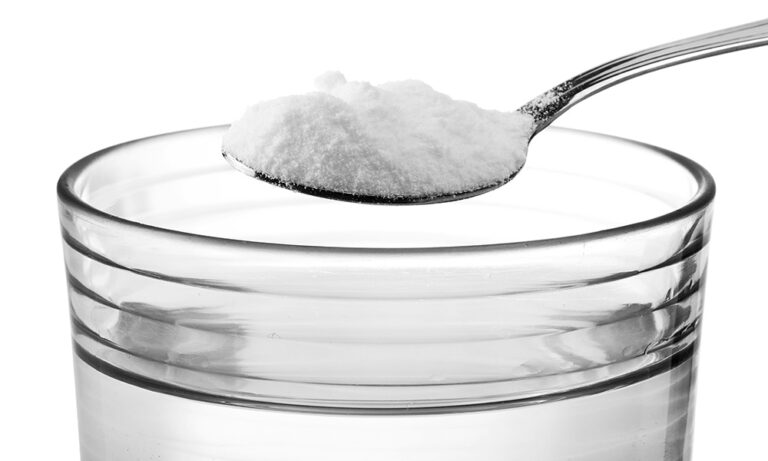
Electrolyte balance is as important as fluid volume during recovery. Alcohol depletes key electrolytes — sodium, potassium, and magnesium — that are essential for cellular function, nerve transmission, and energy metabolism. Coconut water, sports drinks, and electrolyte tablets dissolved in water are all effective ways to replenish these minerals and support the recovery process more effectively than plain water alone.
Pacing: The Skill That Separates a Good Weekend From a Great One
Of all the elements that contribute to hen party survival over a multi-day celebration, pacing is perhaps the most important and the most genuinely skilled. The social pressure of a group celebration can make it feel as though maintaining pace with the group is the only acceptable approach, but the most experienced and self-aware celebrants understand that pacing is not about dampening the fun — it is about sustaining it.
Choosing lower-alcohol options for some rounds, spacing drinks over longer intervals, selecting activities that provide natural breaks from drinking, and simply being honest with yourself about how you are feeling at any given point are all legitimate and sensible pacing strategies that support the longer-term enjoyment of the whole weekend. A hen party that finishes strongly — with everyone present, engaged, and genuinely enjoying the final activities — is a better celebration than one where the later stages are undermined by people who ran out of energy halfway through.
Rest periods built into the itinerary are another form of pacing that well-organised hen parties increasingly incorporate. A rest hour in the afternoon — time to return to the accommodation, lie down, rehydrate, and eat something before the evening begins — is not a sign of a group that cannot handle its celebration. It is a sign of a group that wants to genuinely enjoy the entire weekend rather than simply surviving it.
Supporting Your Body’s Natural Recovery
The body has remarkable natural recovery capabilities when it is given the right support. Sleep, as already discussed, is the primary recovery mechanism — the hours during which the liver processes alcohol, cellular repair takes place, and energy reserves are replenished. Protecting sleep quality during a celebration weekend, even if the total hours of sleep are reduced, makes a significant difference to daily recovery. Avoiding screens in the last thirty minutes before sleep, keeping the sleeping environment cool and dark, and avoiding large amounts of alcohol immediately before bed — which disrupts the deeper stages of sleep — all support the quality of whatever sleep the weekend allows.
Food supplements formulated to support the body’s natural recovery processes, energy levels, and resistance to fatigue have become an increasingly popular complement to the practical measures described above. Products containing B vitamins, vitamin C, electrolytes, and other micronutrients that the body depletes during periods of alcohol consumption and physical exertion can provide useful support to the body’s own recovery mechanisms — though it is worth noting that no supplement replaces the foundational importance of sleep, food, and hydration.
Gentle movement on the morning after a big night — a short walk in fresh air, some light stretching — promotes circulation, supports the clearance of metabolic waste products, and lifts mood through the natural release of endorphins. It requires more motivation than staying horizontal, but the improvement in how you feel within an hour of getting up and moving is reliably worth the initial effort.
Hen party survival, understood properly, is not about limiting the enjoyment of one of life’s most celebratory occasions. It is about having the knowledge, the preparation, and the self-awareness to enjoy it fully — from the first activity to the last toast, from the opening evening to the final morning. With the right approach, the memories made will be brilliant ones, unmarked by the kind of suffering that poor preparation makes inevitable.