




Deciding to move a family member into a care facility is an incredibly difficult emotional experience for anyone. It is a journey frequently filled with guilt, anxiety, and uncertainty. For numerous families, the wish to care for an elderly parent or relative at home is profound, fuelled by affection and a sense of responsibility. However, there often comes a time when the level of support needed surpasses what can be safely and effectively offered in a home environment. Identifying when this threshold has been crossed is crucial for safeguarding the well-being of the individual as well as the health of the family carers. In various areas throughout the country, families are faced with the challenge of considering these intricate factors, frequently looking for local assistance and investigating alternatives like elderly residential care in Staffordshire to discover a viable solution.
The main challenge is the slow progression of ageing. Declines in physical health, cognitive function, and independence seldom occur suddenly. Instead, they appear as subtle changes that build up over months or years. A missed medication here, a minor trip there, or a slightly neglected kitchen can easily be overlooked as temporary setbacks. However, when these isolated incidents come together to form a pattern of vulnerability, it indicates a fundamental shift in care requirements. Recognising the signs that indicate a move is needed can enable families to tackle this transition with foresight, rather than responding in the midst of an unexpected medical emergency. Investigating the options for elderly residential care Staffordshire provides a well-organised setting aimed at addressing these changing needs with respect.
Physical Indicators and Safety Considerations
One of the most clear and factual indicators that a change is necessary pertains to physical health and safety within the home environment. Mobility issues often serve as a significant reason for exploring specialised housing options. When a loved one starts to encounter frequent falls or near-misses, the home can swiftly change from a place of comfort into a setting filled with dangers. Standard domestic layouts, which include stairs, narrow corridors, and deep baths, frequently present significant challenges for individuals experiencing balance issues or severe arthritis. If modifications such as grab rails and ramps are no longer adequate to ensure safety, the continuous security offered by elderly residential care in Staffordshire becomes an essential factor to consider.
Alongside mobility issues, overall physical weakness frequently results in challenges with fundamental daily activities. These activities encompass bathing, dressing, toileting, and feeding. When a person has difficulty keeping up with personal hygiene, it can result in skin infections and a notable drop in self-esteem. Likewise, a significant change in weight, whether it be a loss or gain, often indicates a lack of proper nutrition. Preparing balanced meals necessitates a combination of executive function, physical strength, and fine motor skills. If a senior is depending on tea and biscuits due to the challenges of cooking, their health will surely decline. Professional environments, like elderly residential care in Staffordshire, guarantee that nutritional needs are fulfilled with freshly prepared, balanced meals, alleviating the responsibility of food preparation from the individual.
Moreover, overseeing chronic health conditions requires a degree of attention that untrained family members might find challenging to uphold. Complex medication regimens, which require multiple pills to be taken at specific times throughout the day, are particularly prone to errors. Forgetting doses or unintentionally taking double the amount can lead to serious, potentially life-threatening outcomes. When tracking prescriptions, monitoring vital signs, or managing chronic pain becomes an overwhelming task for a family, the structured health management available in elderly residential care Staffordshire provides reassurance and professional reliability.
Cognitive decline and behavioural changes
While physical changes are often visible, cognitive decline introduces a distinct array of challenges that significantly affect the practicality of home care. Conditions like Alzheimer’s disease and various forms of dementia affect memory, judgement, and behaviour, leading to intricate care needs. One of the most troubling indicators of progressing cognitive decline is wandering. If a person starts to leave the house without notice, becoming disoriented or lost in familiar areas, their immediate safety is at risk. The likelihood of encountering inclement weather, traffic accidents, or exploitation rises significantly. Specialised settings dedicated to elderly residential care in Staffordshire offer secure environments that allow residents to move freely, minimising the risk of wandering into danger.
In addition to wandering, cognitive impairment frequently presents as a deterioration in domestic judgement. Leaving the gas cooker on, forgetting to lock the front door at night or failing to recognise scammers are evident signs that independent living may no longer be feasible. Poor judgement can also extend to personal health, where the individual may refuse medication or fail to recognise that they are unwell. When an individual can no longer recognise danger or take measures to safeguard themselves, the protective support of elderly residential care in Staffordshire becomes essential to ensure their well-being.
Changes in behaviour linked to dementia, including agitation, aggression, or sundowning—when confusion intensifies during the late afternoon and evening—can place a significant burden on family carers. These changes are not deliberate acts of malice; instead, they are manifestations of a neurological condition. Managing these behaviours necessitates particular techniques, considerable patience, and emotional strength. When behavioural shifts lead to a tense, unpredictable, or unsafe home environment, moving to a dedicated setting such as elderly residential care in Staffordshire guarantees that trained professionals are available to de-escalate situations and offer suitable cognitive stimulation.
Social isolation and emotional well-being
The conversation about residential options frequently emphasises medical and physical requirements; however, emotional and social aspects are just as crucial for enhancing quality of life. Loneliness poses a considerable challenge for the elderly, especially for those who find themselves living alone after the passing of a spouse or close friends. As mobility declines, the capacity to exit the home autonomously wanes, resulting in extended durations of solitude. This absence of social engagement can hasten cognitive deterioration, exacerbate depression, and lead to an overall sense of purposelessness.
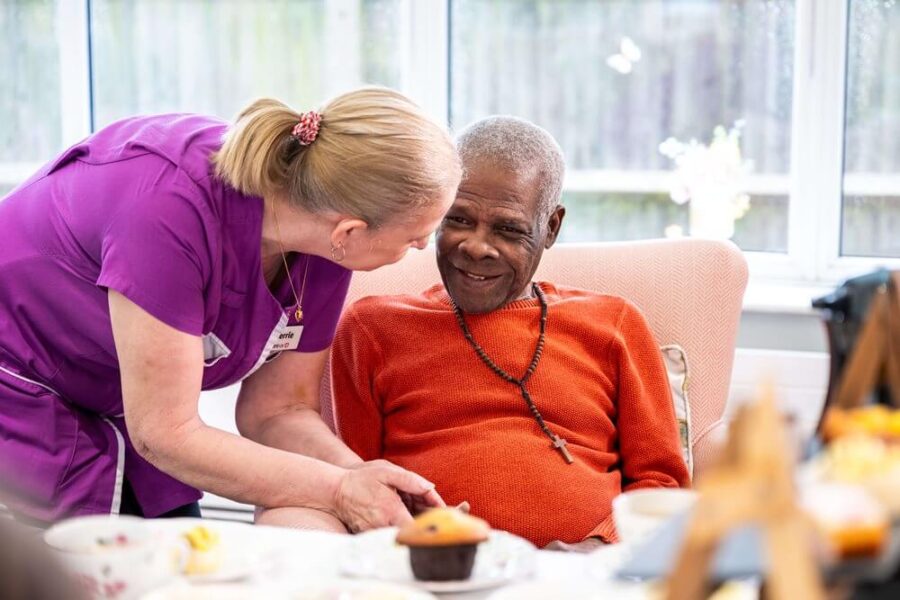
When a loved one becomes more withdrawn, ceases to participate in hobbies they once cherished, or shares feelings of deep loneliness, the social environment of a care community can provide a significant solution. Contemporary choices for elderly residential care in Staffordshire focus on fostering a sense of community, providing organised activities, shared dining experiences, and chances to build new friendships with fellow residents. Being part of a lively, encouraging community can refresh a person’s perspective on life, turning a lonely existence into one rich with interaction and collective experiences.
It is important to recognise that social isolation can affect both nutrition and hygiene. People are naturally social beings, and dining alone frequently diminishes one’s appetite. On the other hand, dining in a communal environment can promote improved nutritional habits and cultivate a feeling of community. When assessing the appropriate moment to make a transition, families should go beyond the clinical checklist and take into account how the social infrastructure of elderly residential care in Staffordshire might greatly improve their loved one’s emotional well-being.
Carer Burnout and Its Effects on Family
The choice to pursue external care involves not just the elderly person but also the viability of the support network that surrounds them. Family carers often shoulder significant responsibilities driven by love and devotion, frequently at the expense of their own health, careers, and personal relationships. Over time, the unyielding demands of caregiving can result in carer burnout, a condition characterised by physical, emotional, and mental exhaustion.
Indicators of carer burnout encompass persistent exhaustion, increased irritability, disruptions in sleep patterns, feelings of resentment, and a deterioration in the caregiver’s personal health. When a carer is experiencing high levels of stress, the quality of care they are able to provide naturally declines. It is important to understand that placing a loved one in elderly residential care in Staffordshire does not signify failure or a neglect of responsibility. Rather, it is a thoughtful measure that guarantees the individual obtains professional care, enabling the family to resume their essential roles as sons, daughters, or spouses.
When the relationship between a family member and an ageing relative is solely characterised by lifting, cleaning, and monitoring, the emotional connection can become strained. By moving the daily care responsibilities to a professional environment such as elderly residential care in Staffordshire, families can concentrate on enjoying quality, meaningful moments together. This shift can bring harmony to relationships, transforming carer stress into the pure joy of companionship and shared memories.
Planning with purpose and empathy
Recognising the signs that it is time for a transition is the initial step; managing the following process necessitates thoughtful planning and transparent communication. Discussions regarding future care preferences should ideally take place well in advance of any crisis. Including the senior in these discussions, when feasible, allows them to articulate their desires and maintain a sense of agency regarding their future. However, if cognitive decline hinders active participation, the family must work together to make decisions that reflect the individual’s lifelong values and uphold their dignity.
Thoroughly researching options is crucial for discovering an environment that truly feels like home. Exploring potential locations for elderly residential care in Staffordshire enables families to evaluate the environment, engage with staff, and witness the interactions among residents. Important aspects to consider are the cleanliness of the facilities, the friendliness and attentiveness of the care team, the range of activities available, and the presentation of meals. A supportive and inviting atmosphere can alleviate the stress of change for all parties concerned.
Ultimately, determining the right moment requires a careful balance between objective safety needs and emotional readiness. It is a choice that demands bravery, transparency, and a profound dedication to the person’s enduring well-being. By perceiving the move not as a conclusion, but as a nurturing new chapter that provides safety, community, and professional support, families can approach elderly residential care in Staffordshire with assurance, understanding that they are selecting a path that emphasises the dignity and well-being of their loved one.