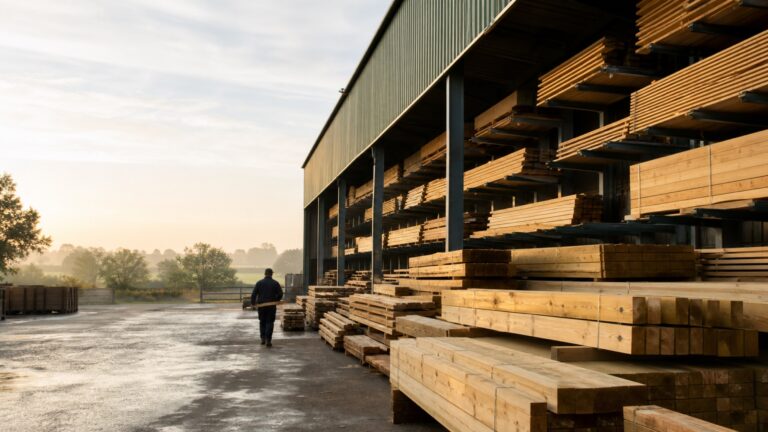






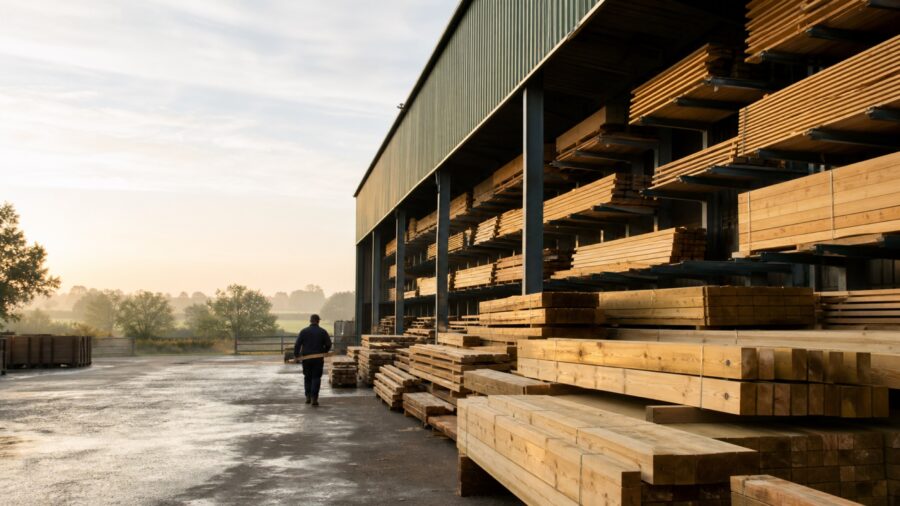
When planning a garden improvement project, the choice of materials can make the difference between a space that feels effortlessly cohesive and one that feels pieced together over time. Whether you’re installing a new fence, building a deck, or adding a garden shed, the timber merchant you select plays a pivotal role in shaping the practicality, durability, and aesthetic of your outdoor space. Rather than viewing material suppliers as an afterthought, considering their expertise and product range at the outset can save both time and frustration.
Choosing a timber merchant with a broad selection and a reputation for quality means you’re more likely to find materials that work well together. For example, pressure-treated timber fencing panels paired with concrete gravel boards will resist rot and last longer than untreated options, while composite decking boards can be matched with matching cladding for a seamless look. A supplier that stocks both traditional timber and modern alternatives like composite materials offers the flexibility to choose based on your project’s needs rather than being limited by availability.
Beyond product variety, the right timber merchant can provide guidance that prevents costly mistakes. Experienced timber merchants will highlight the importance of matching fence posts to your soil type or explain why tongue and groove cladding is ideal for garden buildings exposed to the elements. This kind of practical advice is invaluable for homeowners tackling DIY projects, as well as for tradespeople who need reliable materials without delays. When you purchase from a merchant with years of experience, you benefit from their knowledge without having to research each material yourself.
Why Product Compatibility Matters in Garden Projects
One of the most overlooked aspects of garden projects is ensuring that all materials work harmoniously together. For instance, combining timber fence panels with concrete fence posts can create a boundary that remains stable for decades, as concrete posts are less prone to rot and movement than wooden ones. Similarly, using pressure-treated timber for decking subframes ensures the structure remains sound even when exposed to moisture, while composite decking boards on top provide a low-maintenance surface that resists splintering and fading.
Another example is the use of railway sleepers in landscaping. These heavy-duty timbers are ideal for raised beds, retaining walls, or even garden steps, but they must be paired with the right fixings and drainage solutions to prevent premature decay. A timber merchant that understands these nuances can recommend complementary products, such as stainless steel screws or landscape fabric, to extend the lifespan of your project. This level of compatibility reduces the risk of having to replace sections prematurely, saving both money and effort in the long run.
For those considering garden sheds, the choice between apex and pent roof designs isn’t just about aesthetics—it also affects durability and internal space. Apex roofs, with their traditional pitched design, are excellent for shedding rain and snow, making them ideal for regions with unpredictable weather. Pent roofs, with their single-sloping design, offer a contemporary look and can be more cost-effective for smaller structures. A timber merchant that offers bespoke options can help you weigh these factors based on your specific garden layout and local climate, ensuring your shed remains both functional and stylish for years to come.
When selecting materials, it’s also worth considering how they will age over time. Natural timber, while beautiful, requires regular maintenance such as staining or sealing to preserve its appearance and prevent weather damage. In contrast, composite decking and cladding retain their colour and texture with minimal upkeep, making them a practical choice for homeowners who prefer to spend their weekends enjoying their garden rather than maintaining it. By discussing your priorities with a timber merchant, you can choose materials that align with your lifestyle and long-term plans for the space.
For those embarking on a project, a timber merchant that offers a wide range of products and expert advice can be an invaluable partner. Whether you’re sourcing materials for a small DIY task or a larger landscaping project, having access to quality products and knowledgeable staff ensures your vision becomes a reality without unnecessary setbacks. Timber merchants with a strong local presence often understand the unique challenges of East Midlands gardens, from soil conditions to weather exposure, and can tailor recommendations accordingly.
How a Single Supplier Simplifies Your Project
One of the biggest advantages of sourcing all your materials from a single timber merchant is the convenience it provides. Instead of visiting multiple suppliers for fence panels, decking boards, and gravel boards, you can find everything you need in one place. This streamlines the purchasing process, reduces the risk of mismatched materials, and often results in cost savings through bundled pricing or trade discounts. For tradespeople and landscapers, this efficiency is particularly valuable, as it allows them to focus on installation rather than logistics.
Another benefit of using a single supplier is the ability to take advantage of their delivery services. Many timber merchants offer local delivery within a few days, which is ideal for projects with tight deadlines. For larger orders, some suppliers also provide trade pricing or bulk discounts, making it more affordable to purchase in quantity. This is especially useful for contractors who need to source materials for multiple jobs or homeowners undertaking extensive garden renovations.
Having a trusted supplier also means you can rely on consistent quality. Reputable timber merchants source their materials from reliable manufacturers, ensuring that the products you purchase meet industry standards for strength and durability. This is particularly important for structural elements like C24-graded timber, which is commonly used in fencing, decking, and garden buildings. By choosing a merchant with a strong reputation, you minimise the risk of receiving substandard materials that could compromise the integrity of your project.
For those who prefer to inspect materials in person before purchasing, many timber merchants operate showrooms or offer collection services. This allows you to see the quality of the timber, fence panels, or decking boards firsthand and make informed decisions. It’s also an opportunity to ask questions about specific products, such as the differences between pressure-treated and untreated timber, or the best type of cladding for a garden building. A merchant that encourages this level of engagement demonstrates a commitment to customer satisfaction and long-term relationships.
The Role of Expert Advice in Avoiding Common Pitfalls
Even the most enthusiastic DIYers can encounter challenges when working with timber and related materials. For example, selecting the wrong type of fence post for your soil can lead to instability, while using untreated timber in a damp environment may result in rot within a few years. A timber merchant with years of experience can help you avoid these pitfalls by recommending products that are suited to your specific project and local conditions.
Another common issue is underestimating the importance of proper installation techniques. For instance, when installing composite decking, it’s essential to leave adequate gaps between boards to allow for expansion and contraction due to temperature changes. Similarly, when building a fence, ensuring that posts are set at the correct depth and angle will prevent sagging or leaning over time. A timber merchant that offers guidance on installation best practices can help you achieve professional results, even if you’re tackling the project yourself.
For larger projects, such as installing a garden shed or constructing a deck, a timber merchant can also provide advice on structural considerations. This might include recommendations for additional support beams, the best type of fixings to use, or how to ensure proper drainage around the structure. By addressing these details early in the planning process, you can avoid costly mistakes and ensure your project remains safe and functional for years to come.
It’s also worth considering the long-term maintenance requirements of the materials you choose. While natural timber offers a classic aesthetic, it requires regular upkeep to maintain its appearance and prevent damage. In contrast, materials like composite decking and concrete gravel boards require minimal maintenance, making them a practical choice for homeowners who want to spend less time on upkeep and more time enjoying their garden. A timber merchant can help you weigh these factors based on your lifestyle and budget, ensuring you make choices that align with your priorities.
Balancing Practicality and Style in Garden Design
Garden projects are as much about personal expression as they are about functionality. Whether you prefer the rustic charm of railway sleepers or the sleek lines of composite cladding, the materials you choose should reflect your style while meeting the practical demands of your outdoor space. A timber merchant that offers a diverse range of products can help you strike this balance, providing options that suit both your aesthetic preferences and your project’s requirements.
For example, if you’re creating a contemporary patio area, composite decking in a neutral tone can provide a clean, modern look that complements outdoor furniture and planting. Alternatively, if you’re aiming for a traditional cottage garden aesthetic, tongue and groove cladding on a garden shed can enhance the rustic appeal while offering durability. By discussing your design vision with a timber merchant, you can explore materials that align with your style while ensuring they are suitable for the local climate and soil conditions.
Another consideration is how materials will age over time. Natural timber, while beautiful, will weather and change colour as it’s exposed to the elements. This can be part of its charm, but it’s important to choose a species and treatment that suits your preferences. For instance, oak and larch are popular choices for their durability and attractive grain, while pressure-treated pine offers a more affordable option that still provides good resistance to rot. A timber merchant can guide you through these choices, helping you select materials that will develop a pleasing patina over time or retain their original appearance with minimal maintenance.
For those who enjoy seasonal changes in their garden, materials like railway sleepers can be used to create flexible spaces that adapt to different needs. For example, sleepers can be used to build raised beds in the spring, then repurposed as seating or decorative borders in the autumn. Similarly, composite decking can be paired with modular planters to create a dynamic outdoor living area that evolves with the seasons. By choosing versatile materials, you can ensure your garden remains a functional and stylish space throughout the year.
Planning for the Future: Choosing Materials That Grow with You
When investing in garden improvements, it’s natural to consider how your needs might change over time. A growing family may require additional storage space, while a shift to remote working could inspire a desire for a dedicated outdoor office or relaxation area. By choosing materials that are both durable and adaptable, you can future-proof your garden and avoid the need for costly renovations down the line.
For example, a garden shed with a pent roof design can be easily extended or modified to accommodate additional storage or workspace. Similarly, a decking area can be expanded to create more outdoor seating or dining space as your needs evolve. A timber merchant that offers bespoke solutions can help you design a space that grows with you, ensuring your garden remains a valuable extension of your home for years to come.
It’s also worth considering the environmental impact of the materials you choose. Sustainable timber, sourced from responsibly managed forests, is an excellent choice for eco-conscious homeowners. Similarly, composite materials made from recycled plastics and wood fibres offer a durable and low-maintenance alternative to traditional timber. By discussing your priorities with a timber merchant, you can select materials that align with your values while ensuring they meet the practical demands of your project.
Ultimately, the key to a successful garden project lies in thoughtful planning and the right partnerships. By choosing a timber merchant that offers quality products, expert advice, and reliable service, you can create an outdoor space that is both beautiful and functional. Whether you’re building a fence, installing decking, or adding a garden shed, the materials you select will shape the character and longevity of your project. With the right guidance, your garden can become a sanctuary that reflects your style and meets your needs for years to come.