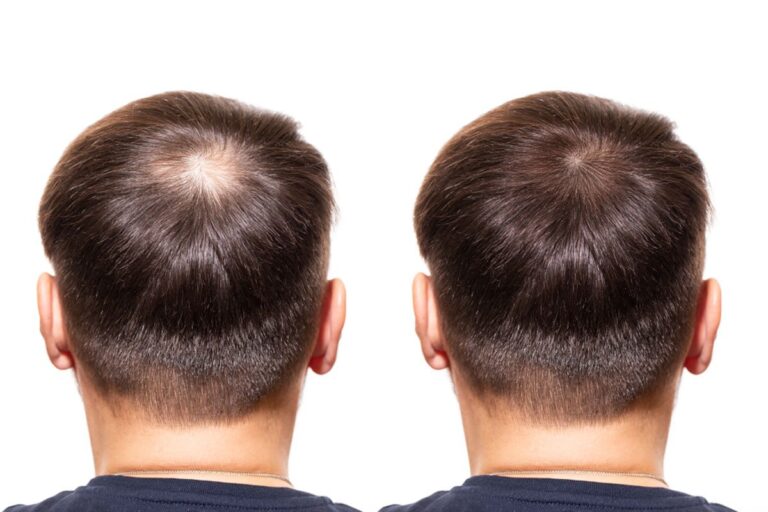






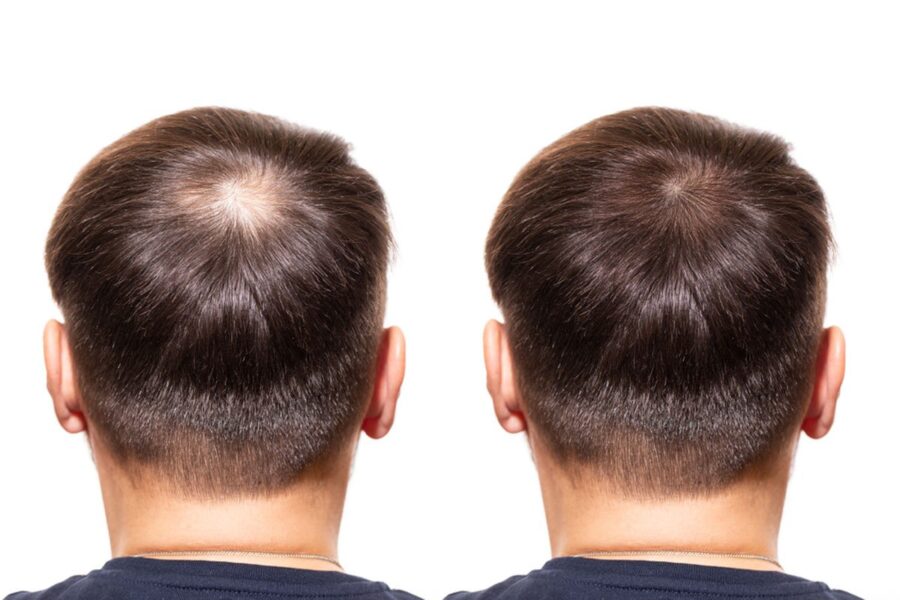
For many people considering a hair transplant, the focus is naturally on the procedure itself and the results they hope to achieve. Yet the weeks and months leading up to surgery are just as important in shaping the overall experience and the quality of the outcome. Thoughtful preparation can ease anxiety, support healing and help set realistic expectations, making the entire journey feel more manageable and rewarding.
Understanding Your Hair Loss Pattern and Goals
Before scheduling a hair transplant, it’s helpful to take time to understand your hair loss pattern and what you hope to achieve. Hair loss often follows predictable stages, but individual experiences vary widely. Some people notice gradual thinning at the temples, while others see a receding hairline or diffuse thinning across the crown. A clear picture of your current situation helps guide discussions with a specialist and ensures your goals are realistic and achievable.
During a consultation, a surgeon will assess factors such as hair density, donor area strength and skin elasticity. These details influence which techniques may be suitable and what kind of results are possible. Being open about your expectations—whether you’re aiming for a fuller hairline, improved density or a more youthful appearance—allows the surgeon to tailor a plan that aligns with your vision. This early clarity can reduce uncertainty and help you feel more confident as you move forward.
Choosing the Right Clinic and Specialist
Selecting a clinic with the right expertise and approach is a crucial part of preparation. London offers a range of options for hair restoration, but not all clinics operate with the same standards or use advanced techniques. A reputable clinic will prioritise personalised care, with consultations led by registered surgeons rather than sales staff. This ensures that medical suitability and safety guide every decision, not just commercial interests.
Look for clinics that emphasise natural-looking results and use modern methods such as Follicular Unit Extraction (FUE), which allows for precise placement of individual hair follicles. Some clinics also offer non-surgical options like scalp micropigmentation or medical treatments, which can complement surgical results or serve as alternatives. When researching, consider the clinic’s reputation, patient feedback and the transparency of its processes. A well-prepared choice at this stage can make a significant difference in both the experience and the outcome of your treatment.
If you’re exploring options in the capital, a clinic that combines medical expertise with a focus on individual care can provide a strong foundation for your journey. hair transplant London clinics with a Harley Street presence often reflect these values, offering a balance of discretion, professionalism and advanced techniques.
Lifestyle Adjustments to Support Healing and Results
Preparing your body and mind for a hair transplant involves practical steps that support recovery and enhance results. Leading up to the procedure, it’s wise to adopt habits that promote good circulation and skin health. Staying hydrated, eating a balanced diet rich in vitamins and minerals, and avoiding smoking and excessive alcohol can all contribute to better healing. Some people also benefit from gentle scalp massages in the weeks before surgery, as this can improve blood flow to the area and help prepare the skin for the procedure.
Mental preparation is equally important. Hair loss can affect confidence, and the idea of surgery may feel daunting. Talking openly with your surgeon about any concerns and asking questions about what to expect can ease nerves. Many clinics provide detailed guidance on pre- and post-operative care, including what to avoid in the days leading up to surgery. Following these instructions closely helps reduce the risk of complications and supports smoother recovery.
The Role of Realistic Timelines in Planning
Hair transplant results develop gradually, and understanding the timeline can help manage expectations. While some initial growth may be visible within a few months, full maturation of the transplanted hair typically takes up to 18 months. This gradual process is normal and reflects the natural growth cycle of hair. Planning for this timeline—whether it’s scheduling time off work or adjusting social plans—can help you feel more at ease with the pace of change.
It’s also worth considering how your hair restoration fits into your long-term plans. Some people choose to stage their treatment over a few sessions, allowing for subtle improvements that build over time. Others may combine surgical and non-surgical approaches to achieve a fuller look without a single large procedure. Discussing these options with your surgeon ensures that your plan is flexible enough to adapt as your needs evolve.
Managing Expectations and Emotional Readiness
One of the most valuable aspects of preparation is managing expectations. While modern hair transplants can produce natural-looking and long-lasting results, it’s important to recognise that outcomes vary from person to person. Factors such as hair texture, skin tone and the quality of the donor area all play a role in the final appearance. A skilled surgeon will work with you to design a hairline and density that suits your face shape and age, but the goal is always a harmonious, natural result rather than perfection.
Emotional readiness is another key consideration. Hair loss can be tied to self-image, and the decision to undergo surgery is a personal one. Taking time to reflect on your motivations and what you hope to gain from the procedure can help you feel more grounded. Many people find that the process itself—from the initial consultation to the gradual emergence of new hair—becomes an opportunity to reconnect with their sense of self and confidence. When approached with care and patience, hair restoration can be more than a cosmetic change; it can be a step toward feeling more like yourself again.
Practical Preparations for the Day of Surgery
On the day of your procedure, having everything organised in advance can make the experience smoother. Wear comfortable, loose clothing and arrange for someone to accompany you if possible, especially if you’re having a longer session. Some clinics provide detailed checklists of what to bring and what to avoid, such as certain medications or alcohol. Following these guidelines helps ensure you’re in the best possible condition for surgery and recovery.
It’s also helpful to plan for the immediate aftermath. Most people need a few days to rest, and some may experience mild swelling or discomfort. Having soft pillows, loose headwear and entertainment ready at home can make the first 48 hours more comfortable. Many clinics also recommend avoiding strenuous activity for a couple of weeks, so arranging time off work or delegating responsibilities can prevent unnecessary stress.
Building Confidence Through Informed Decisions
The weeks leading up to a hair transplant are an opportunity to build confidence—not just in the procedure, but in the choices you’re making for yourself. Researching clinics, understanding your options and preparing your body and mind all contribute to a sense of control and clarity. When you feel informed and supported, the process becomes less about uncertainty and more about taking a positive step toward the future you want.
For those exploring hair restoration in London, a thoughtful approach to preparation can make all the difference. From choosing a clinic that aligns with your values to making practical adjustments that support healing, each step builds toward a smoother experience and more satisfying results. The goal isn’t just to restore hair, but to restore confidence in a way that feels authentic and sustainable.
Ultimately, the most successful hair restoration journeys begin long before the surgery itself. By taking the time to plan carefully, ask the right questions and set realistic expectations, you’re not just preparing for a procedure—you’re investing in a process that can enhance your well-being and self-assurance for years to come.