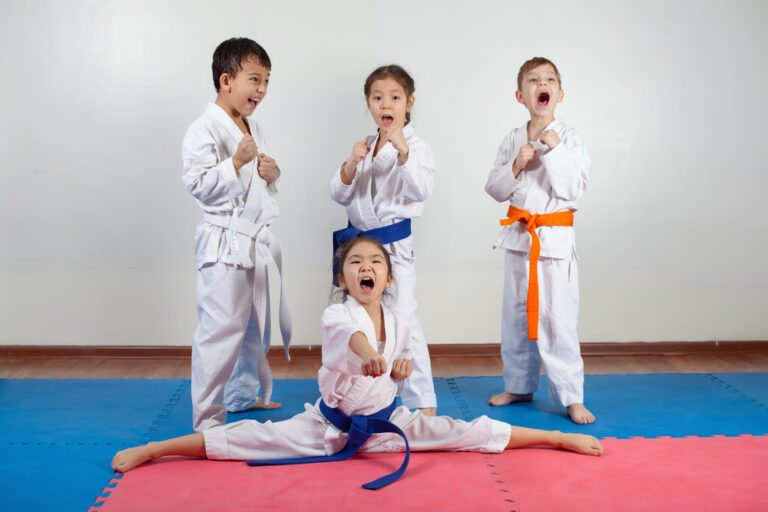






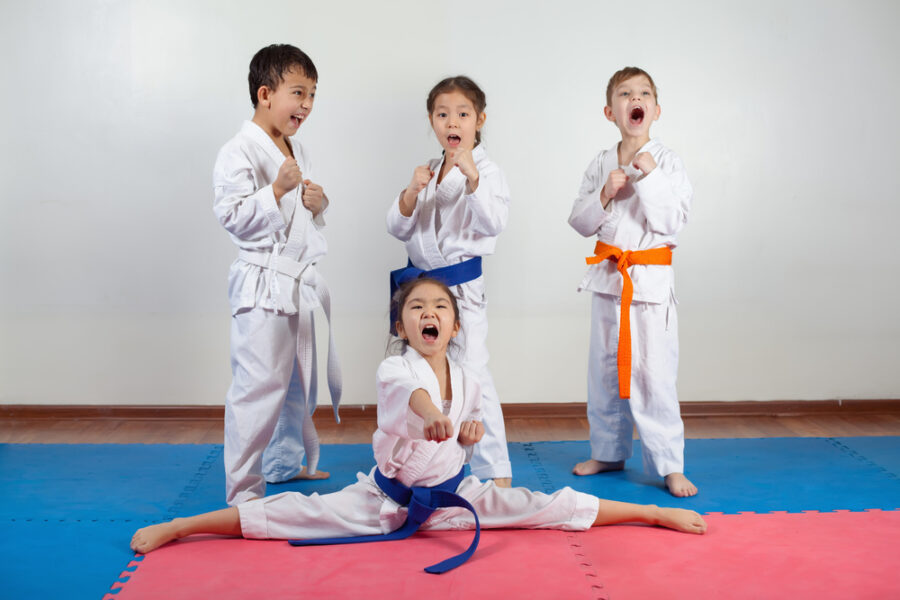
Children’s martial arts is one of the fastest growing activities for young people and it’s easy to see why. Martial arts programs can offer all of these in a controlled, age-appropriate atmosphere as families in the UK are increasingly looking for methods to help their children’s physical development, confidence and mental health. When many people hear about children’s martial arts, they initially think of fighting, but the truth is that most classes focus on teaching control, respect, fitness, and personal responsibility. Parents aren’t just looking for anything to fill a child’s time; they want a good experience that helps their kid grow.
One of the reasons that children’s martial arts is so popular is that it is so structured. Kids need structure, and a regular class provides that, with a familiar progression of warm-up, technique drills, skill work and learning how to safely perform basic moves. The consistency helps youngsters feel secure, particularly those who are shy or lacking in confidence. Children who know what to expect can concentrate on getting better instead of worrying. It requires work, patience, and practice to acquire a new skill, so that repeated pattern can create resilience over time.
Another important aspect is how martial arts for youngsters aids physical development. Young toddlers have a natural drive to move, run, jump and coordinate their bodies but modern living might make that harder than it used to be. Screen time and sedate routines might limit possibilities for physical activity. Martial arts is a complete body way to build the physique, increase the balance and develop the coordination. You want to be in control and aware to kick, hit pads, practise stances and understand footwork. Children also develop stamina and flexibility as they grow, and generally have a greater grasp of how their bodies work.
But fitness is not the only basic element to popularity. The emotional development is also what children’s martial arts focuses on and that is often what motivates parents to stick with it. A lot of children have a hard time dealing with significant sentiments such as irritation, shame or wrath. Good martial arts instruction is providing kids with tools for self-discipline. Learning to stop, breathe, listen and follow directions is not merely about skills, it is about developing emotional regulation. Children that learn how to remain calm under pressure are more able to cope with everyday problems at school and home. This transfer of abilities could be modest, but parents typically see it in their child growing more patient, more confident, and better able to cope with stressful situations.
Respect is another reason that children’s martial arts has become so extensively adopted. Respect in most schools isn’t a slogan; it’s baked into everyday practice. In practice, children learn to be respectful to teachers and classmates, to listen closely, and to be kind to others. This focus can be especially beneficial in a society where youngsters are regularly exposed to impulsive behaviour on the internet or overheated playground scenarios. Martial arts for kids may create a better social environment since they encourage respectful behaviour and discourage risky or disruptive behaviour. This makes classes feel empowering rather than daunting, even for new students.
Just as essential, though, is the confidence that children’s martial arts can instil. Confidence isn’t about being the “best” or winning all the time. But it grows with achievement and advancement. Many martial arts programs for youngsters have milestones that recognise sustained work, discipline and improvement. Children learn to trust their own talents when they can see themselves improving. They also understand that it takes time to make improvements. A child who may otherwise quit up after one try will learn that practice brings skill. That kind of attitude can carry over to other parts of life, helping kids to persevere with homework or a sport.
Self-defence is also a large part of its attraction, although it is sometimes misconstrued. Children’s martial arts often emphasises defensive awareness, personal boundaries and the necessity of asking for help, rather than escalating conflict. Good teaching tends to focus on prevention and safety first – such as learning how to detect dangerous circumstances and how to respond calmly. For parents, it might be encouraging to know that safety knowledge is included in children’s martial arts. It gives not just physical training but practical instruction in how wisely to act when faced with uncertainty. Even when youngsters are not in danger, these teachings improve their ability to make good decisions.
Many families are interested in children’s martial arts because it teaches youngsters discipline. Discipline could sound like a hard word, but it usually translates to learning to pay attention, to practise consistently, and to respect direction that is structured. Kids learn that hard work pays off, that cheating doesn’t work. The benefits are especially apparent for children who desire to do well but have trouble concentrating. They start to grasp that learning is a gradual process through age-appropriate practice and regular guidance. Martial arts for children can develop habits over time that will aid in schoolwork, time management, and personal responsibility.
Another reason for its appeal is that kids’ martial arts provides a positive peer group. Kids may have trouble finding a place where they feel accepted, not criticised, and not forced to be “cool” in a certain way. Many martial arts programs establish an environment in which growth takes place individually and is built over time. Kids work alongside other kids in comparable stages and are encouraged to support one another during drills. That community feeling might take away social strain. It also helps kids develop friendships based on shared work and mutual respect, rather than popularity or looks.
The pragmatic benefits matter, too, for parents. The commitment for children’s martial arts can be quite modest with many classes scheduled at suitable times. It is also expandable for different ages so kids can start young and continue on through the years. That sort of long-term participation is often attractive to families looking for something secure. Instead of always looking for new activities, they can establish a schedule where martial arts is a regular part of a child’s development.
There is also a larger cultural shift happening. More and more people are starting to see that children need more than intellectual achievement to thrive. Physical activity, character-building and mental health have become priorities. In that setting, children’s martial arts looks interesting since it incorporates all three. A class is not just exercise, it is learning, listening and growing. Even when children are just there, they are acquiring qualities of tenacity and self-belief. Parents might desire the activity to offer more than just entertainment.
It is also worth noting that the popularity of children’s martial arts reflects the way instructors often tailor teaching to youngsters. Many classes start with basic abilities, appropriate for young students rather than sophisticated methods. The training covers everything from posture and balance to basic patterns and controlled movements. So, children’s martial arts are open to children with varying levels of expertise and confidence. No one expects a new student to be doing complicated skills on day one. But instead they are walked through a process step by step, so youngsters can join without being overwhelmed.
Safety and supervision are also big factors in parents’ selections. Children’s martial arts promotes responsible training, safe spacing and respectful interactions when done correctly. Adults typically prefer the fact that the learning atmosphere is regulated and monitored, as opposed to being chaotic. Parents wanting their child to be active but without the unnecessary risk can be at ease with the focus being on control and how to do the moves safely. But children grow up. And as they grow up, they keep working with awareness and discipline, not recklessness.
Finally, many parents will recognise something intangible: martial arts for kids may help youngsters feel strong in a healthy way. Strength is not just physical power. It’s about confidence, composure and the capacity to speak up for yourself, with respect. When youngsters learn to channel their energy in a positive direction, they frequently become more grounded. They can turn natural excitement into deliberate training and bring that feeling of competence into everyday life. The confidence, discipline, athleticism and respect all combine to make children’s martial arts so interesting to families.
To summarise, martial arts for children is popular because it satisfies the demands of both the children and their parents. It provides structured physical activity that encourages co-ordination and fitness. It creates confidence via progression and achievable mile stones. It promotes discipline, respect and emotional control, helping children to cope better with school, friends and home life in a more mature way. Children’s martial arts teaches a logical approach to self-defence that prioritises safety and awareness. It provides a supportive atmosphere for growth. It is a fun, meaningful, encouraging and powerful exercise and that is why families come back year after year.