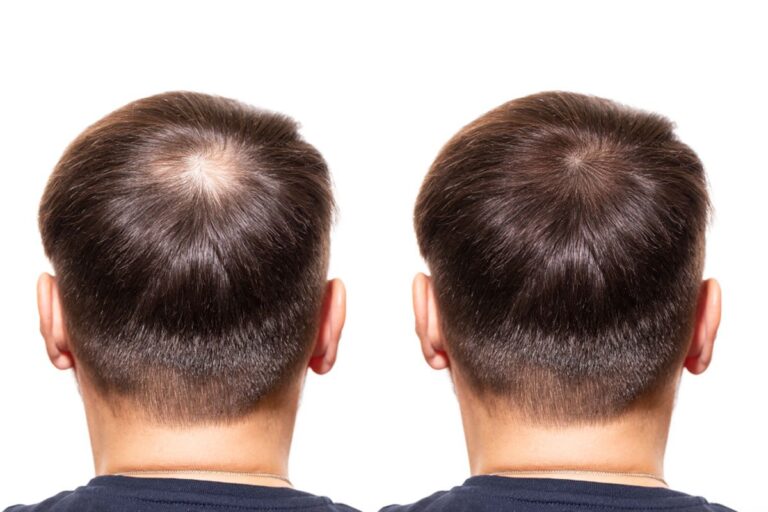






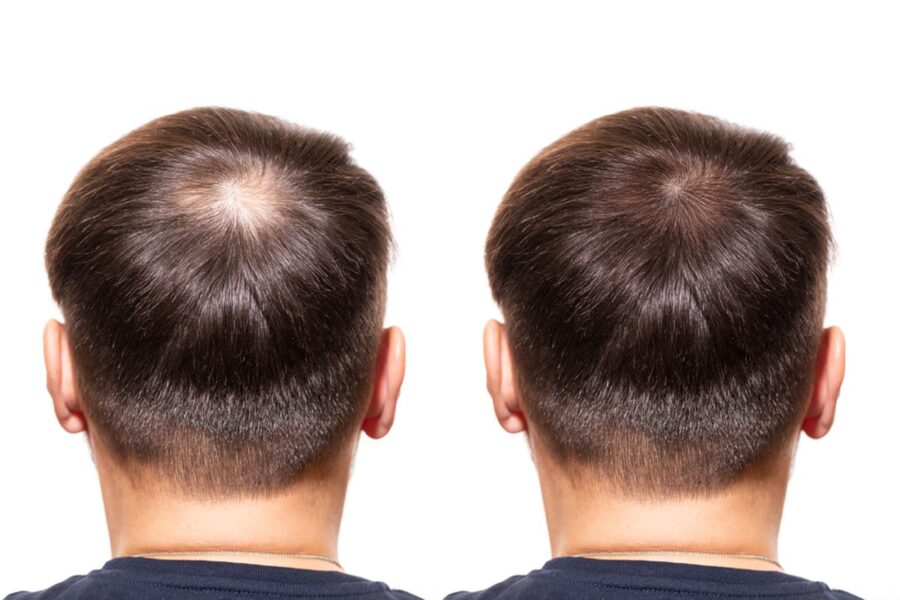
Hair loss has traditionally been regarded as an unavoidable occurrence, to be controlled with hats, hairstyles, or silent resignation. That mindset is changing quickly, and nowhere is this more evident than in London, where demand for Follicular Unit Extraction, often known as FUE, has increased significantly over the last decade. More people than ever before are researching their options, scheduling appointments, and actively seeking out the best FUE clinic London has to offer, rather than accepting thinning hair as a natural part of getting older. To understand why this transition occurred, we must examine the procedure itself, cultural trends surrounding hair loss, and the practical reality of London as a hub for cosmetic and medical treatment.
What distinguishes FUE.
Follicular Unit Extraction is a hair restoration procedure in which individual hair follicles are extracted one at a time from a donor location, typically the back or sides of the head, and transplanted into areas of thinning or baldness. This varies from the traditional Follicular Unit Transplantation method, which includes taking a strip of scalp tissue and dissecting it into individual grafts. The strip procedure, while still employed in some circumstances, creates a linear scar and often necessitates a longer recovery time.
In contrast, FUE leaves only tiny, nearly imperceptible puncture marks that heal fast and spread over the donor area rather than concentrating in a single line. This allows patients to cut their hair short without leaving noticeable scars, which has proven particularly enticing to younger men who would otherwise shun therapy. The technique’s precision also allows surgeons to adjust the angle, depth, and direction of each graft, resulting in a more natural-looking hairline than previous procedures could consistently generate. This mix of subtlety and control has made finding the best FUE clinic London such a popular starting point for clients embarking on their hair restoration journey.
Changing Attitudes toward Hair Loss
One of the most significant drivers of increased demand is a broader cultural shift in how individuals, particularly males, discuss their appearance and well-being. For decades, hair loss was stigmatised, frequently being joked about or merely tolerated. The hush has largely broken down. Social media has played an important role in this, with public personalities and regular users freely discussing their hair transplant journeys, posting before and after photos, and normalising the idea that addressing hair loss is neither vain nor odd.
This openness has influenced demand. People who were earlier embarrassed to confess they were considering a transplant are now more comfortable discussing it with friends, reading reviews, and comparing facilities. As a result, a more knowledgeable and confident patient base actively seeks out the best FUE clinic London has to offer, rather than silently seeking treatment abroad or ignoring the subject totally. Awareness of the illness has also increased. Many individuals now understand that hair loss can start much earlier than previously thought, perhaps in their mid-twenties, and that early intervention, whether through transplantation or supportive therapy, tends to generate better long-term outcomes.
The Function of Technology and Technique Refinement
Along with cultural development, the technology behind FUE has advanced significantly. Motorised and robotic-assisted extraction instruments have made the procedure faster and more consistent, minimising physical strain on both the practitioner and the patient during lengthy sessions. Improved magnification and lighting equipment enable for more accurate graft processing, which increases follicle survival rates after transplantation. These improvements are significant because the ultimate measure of success in any transplant is not the number of grafts transplanted, but how many of them survive and grow spontaneously in their new environment.
As approaches improve in reliability, so do the outcomes, and predictability builds confidence. Prospective patients looking for the best FUE clinic London has to offer are increasingly seeking evidence of consistent outcomes, thorough aftercare instructions, and realistic expectations rather than dramatic marketing claims. This, in turn, has forced practitioners to be more open about what the technique can and cannot accomplish, hence increasing trust in the process as a whole.
London as a Center for Treatment
Another important consideration is London’s status as a major medical and cosmetic treatment centre. The city offers a dense concentration of experienced practitioners, many of whom have had significant training in hair restoration treatments and have access to modern facilities. This concentration of expertise enables consumers to evaluate options, read independent evaluations, and make informed decisions without having to fly abroad.
There has also been a clear trend away from medical tourism for hair transplants. In previous years, cost inequalities prompted many people to fly to other nations for treatment, often with uneven results and no redress if something went wrong. Rising knowledge of the risks connected with unlicensed offshore clinics, combined with worries about follow-up care and accountability, has led to an increase in the number of people seeking treatment locally. Choosing a local alternative, and in particular the best FUE clinic London has to offer, allows patients to attend consultations in person, ask comprehensive questions, and receive aftercare support without the inconveniences of overseas travel. If any problems develop throughout recuperation, having a practitioner nearby can make a big difference in your peace of mind.
Accessibility and Flexible Options
Financial accessibility has also increased, with many practitioners now offering staged payment plans and more clear pricing models. This has increased the number of people who feel comfortable considering the treatment, rather than seeing it as a cost reserved for the wealthy or celebrities. As pricing has been more transparent and competitive, comparison has become easier, which has contributed directly to the growing trend of consumers specifically looking for the best FUE clinic London has to offer rather than settling for the first option they come across.
Remote and video consultations have provided an additional level of convenience. Many clinics now provide an initial examination online, allowing prospective patients to discuss suitability, expected outcomes, and cost before scheduling an in-person visit. This significantly reduces the barrier to admission, particularly for those who are still deciding whether the operation is right for them.
A more educated patient population
Perhaps the most significant change is that individuals are simply more knowledgeable than they used to be. Detailed information about the operation, recovery dates, and realistic expectations are now readily available, which has altered the tone of patient-provider talks. Rather than coming to consultations with nebulous hopes, many patients now have precise questions concerning transplant survival rates, donor area limits, and long-term care.
This change to educated decision-making has also raised the bar for practitioners. Clinics are increasingly being examined not only on the outcomes they deliver, but also on how effectively they communicate the realities of the technique, including its limitations. Patients looking for the best FUE clinic London has to offer prefer honesty about what can be accomplished given their individual pattern of hair loss, rather than blanket promises of a full head of hair regardless of circumstance.
Looking ahead.
The growth in FUE hair transplants in London reflects a greater shift in how individuals view personal beauty and well-being. It is no longer regarded as an indulgence, but rather as an appropriate response to a situation that can undermine confidence and self-esteem. As treatments improve and conversations about hair loss remain open, it appears that demand will increase. For many, the decision is no longer whether to pursue treatment, but rather how to locate a practitioner they can trust, with thorough research into the best FUE clinic London has to offer serving as the natural first step in that process.