






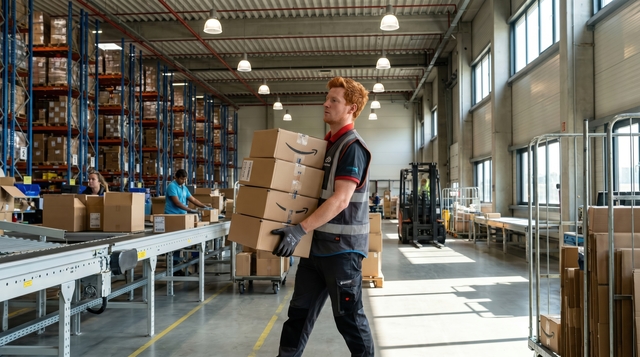
Warehousing and logistics are essential parts of modern supply chains, supporting everything from manufacturing and retail to e-commerce and distribution. Behind every efficient warehouse is a workforce responsible for receiving goods, managing stock, preparing orders, operating equipment and ensuring products reach their next destination on time. Finding dependable people with the right skills can therefore have a direct impact on productivity and customer satisfaction.
Recruitment within the warehousing sector presents particular challenges. Staffing requirements can change quickly, employers may need people with specific experience, and seasonal demand can create significant fluctuations in workforce requirements. Advertising vacancies and managing applications internally can consume valuable time without necessarily producing suitable candidates.
Working with a warehouse recruitment agency provides employers with specialist assistance throughout the recruitment process. By understanding both the requirements of warehouse environments and the available labour market, recruiters can help businesses identify suitable candidates more efficiently while creating a staffing strategy that reflects their operational requirements.
Understanding the Particular Requirements of Warehouse Recruitment
Recruiting for a warehouse involves considerably more than simply finding somebody who is available to work. Different environments require different skills, experience and personal qualities, making it important to understand the position before beginning the search.
Some roles may involve picking and packing, while others could require stock management experience, equipment operation, supervisory capabilities or knowledge of particular warehouse systems. Shift patterns, working hours, location and the physical nature of particular positions can also influence candidate suitability.
A specialist warehouse recruitment agency can work with an employer to develop a clear understanding of these requirements. This allows recruiters to concentrate on candidates who are genuinely appropriate for the position rather than simply generating a large number of applications.
Industry understanding can be particularly useful when recruiting for roles requiring previous warehouse or logistics experience. Recruiters familiar with the sector are better positioned to recognise relevant experience on a candidate’s employment history and understand how skills developed in one warehouse environment might transfer to another.
This knowledge can also improve the candidate experience. Applicants receive a clearer explanation of the role, working environment and employer expectations before progressing, helping both sides establish whether the opportunity is suitable.
The result is a more focused recruitment process in which suitability becomes more important than simply filling a vacancy as quickly as possible.
Saving Time and Supporting Operational Continuity
Recruitment can require a significant commitment from internal managers. Vacancies need to be advertised, applications reviewed, candidates contacted and interviews arranged, often while the people responsible are simultaneously managing normal warehouse operations.
Using a warehouse recruitment agency allows much of this initial workload to be handled externally. Recruiters can source candidates, carry out appropriate initial screening and present employers with individuals who more closely match the requirements of the position.
This can be particularly valuable when staffing requirements arise unexpectedly. Warehouses operate within supply chains where changing order volumes, new contracts, employee absences or seasonal peaks can rapidly alter workforce requirements. An organisation may need additional people without having weeks available to conduct a conventional recruitment campaign.
Specialist recruiters often maintain relationships with candidates who are actively seeking warehouse and logistics opportunities. Having access to an existing talent pool can reduce the time required to begin identifying suitable workers.
Faster recruitment can also support operational continuity. An understaffed warehouse may place additional pressure on existing employees and make it more difficult to maintain expected levels of productivity. Filling important vacancies efficiently can help workloads remain manageable while allowing the organisation to continue meeting its commitments.
There are advantages even when recruitment is not urgent. Removing some of the administrative workload gives managers more time to concentrate on interviews, final candidate selection and the day-to-day operation of the business.
Recruitment support can therefore be viewed not simply as a way of finding employees, but as a means of allowing internal teams to use their own time more effectively.
Greater Flexibility for Changing Staffing Requirements
One of the defining characteristics of warehousing is that demand is not always consistent throughout the year. Retail peaks, promotional periods, new contracts and changing customer requirements can all create periods when additional capacity is required.
Maintaining a permanently enlarged workforce to accommodate occasional peaks may not always be practical. Conversely, attempting to recruit additional employees only after workloads have already increased can leave existing teams under considerable pressure.
A warehouse recruitment agency can help employers develop a more flexible approach.
Temporary workers can provide additional capacity during busy periods, while longer-term recruitment can support businesses experiencing sustained growth. Temporary-to-permanent arrangements can also provide an opportunity for an employer and worker to establish whether the relationship is suitable before moving towards permanent employment.
This flexibility can be particularly useful for organisations whose staffing requirements are difficult to predict. Rather than relying upon a single recruitment model, businesses can adapt the composition of their workforce according to operational demand.
Recruitment specialists can also help employers plan ahead. If a business knows that a particularly busy period occurs at approximately the same time each year, recruitment activity can begin in advance rather than waiting until additional employees are urgently required.
A flexible staffing strategy should still focus on quality. Bringing additional workers into a busy warehouse is only helpful when those individuals understand what is expected and are suited to the environment. Appropriate candidate selection therefore remains important even when positions need to be filled quickly.
Working with recruiters who understand the business can make repeat recruitment considerably easier. Over time, the agency becomes familiar with the employer’s preferred experience, working environment and expectations, helping future candidate searches become increasingly focused.
Accessing a Wider Pool of Warehouse Candidates
Advertising a vacancy independently means relying largely upon people who happen to see the advertisement and decide to apply. While this can generate candidates, it does not necessarily reach everybody who might be suitable for the position.
A specialist warehouse recruitment agency can provide access to a broader network.
Recruiters may already be speaking with warehouse workers who are actively considering new opportunities but have not applied directly to a particular employer. They can also approach individuals whose skills appear suited to a vacancy and introduce opportunities they might otherwise never have encountered.
This can be especially valuable in competitive employment markets. Experienced warehouse personnel may have multiple options available, meaning employers need an effective way to reach and engage suitable candidates.
Recruiters can act as an intermediary throughout this process. They can discuss the opportunity with prospective candidates, answer initial questions and provide employers with feedback about candidate expectations.
This two-way communication can help businesses understand the recruitment market more clearly. If a vacancy is proving difficult to fill, a specialist recruiter may be able to identify factors affecting candidate interest, such as shift requirements, expectations surrounding the role or competition for particular skills.
The recruitment process can then become more informed rather than relying upon repeated advertising and hoping for a different outcome.
Candidate networks are also valuable when businesses need to recruit for several warehouse positions. Instead of beginning an entirely new search for every vacancy, an established recruitment relationship can provide access to people with different levels of experience and capabilities.
Improving the Quality of Candidate Matching
Successful recruitment is not simply about finding someone capable of performing a role. The individual also needs to suit the working environment, shift pattern and expectations of the employer.
Poorly matched recruitment can create additional work. If a new employee quickly discovers that the role is not what they expected, the organisation may need to repeat the recruitment and onboarding process.
A warehouse recruitment agency can help reduce this risk by establishing expectations on both sides from the beginning.
Recruiters can discuss previous experience, availability, preferred working patterns and relevant skills with candidates before introducing them to an employer. At the same time, they can develop an understanding of what the business expects from successful applicants.
Clear communication is particularly important for warehouse positions because working environments can differ substantially. Some operations are highly automated, while others involve more manual activity. Certain roles may involve regular interaction with warehouse management systems, machinery or specialist equipment, whereas others focus primarily on picking, packing or goods handling.
Matching candidates according to the actual position helps create a more positive recruitment experience for everyone involved.
An effective recruiter can also look beyond job titles. Somebody whose previous position had a different name may nevertheless possess exactly the experience an employer requires. Understanding transferable skills helps ensure potentially strong candidates are not overlooked simply because their employment history does not precisely mirror the vacancy description.
Supporting Long-Term Business Growth
Recruitment becomes increasingly important as a warehouse operation grows. Expanding order volumes, additional facilities and new contracts can all increase workforce requirements, while growth may also create demand for supervisors, team leaders and other experienced personnel.
Developing an ongoing relationship with a warehouse recruitment agency can provide useful support during this process.
Instead of approaching recruitment as an isolated activity each time somebody is needed, employers can build a relationship with recruiters who already understand the organisation. This can make it easier to communicate future requirements and respond when circumstances change.
A recruitment partner may also help businesses think ahead about workforce requirements. If expansion is planned, identifying likely staffing needs early provides more time to find appropriate people rather than recruiting reactively after operational pressures have increased.
This relationship can remain flexible. Some periods may require temporary support, while others involve permanent recruitment or a combination of different staffing arrangements.
The objective is ultimately to ensure that workforce availability supports rather than restricts the operation of the warehouse.
Creating a More Efficient Approach to Warehouse Recruitment
People remain central to successful warehouse and logistics operations. Technology and automation can improve efficiency, but businesses still depend upon reliable employees to manage goods, operate systems, solve problems and maintain the movement of products through the supply chain.
Recruiting those people can require considerable time and specialist knowledge, particularly when staffing requirements change quickly or experienced candidates are in demand.
Working with a warehouse recruitment agency gives employers access to recruitment expertise, candidate networks and a more flexible way of approaching workforce requirements. From temporary support during busy periods to permanent appointments that contribute to long-term growth, specialist recruiters can tailor their search to the needs of the organisation.
For employers, the principal advantage is having recruitment support that understands the environment in which the successful candidate will actually work. By combining this understanding with careful candidate selection and clear communication, businesses can spend less time managing recruitment and more time concentrating on efficient warehouse operations.