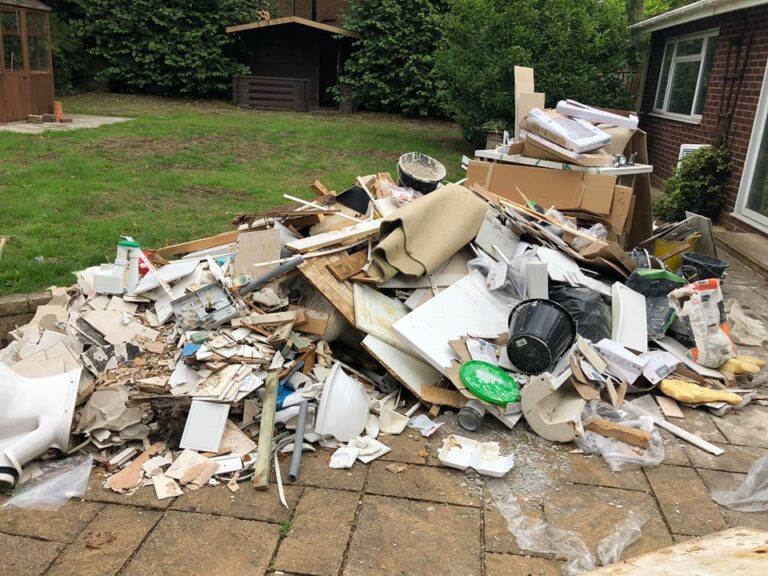






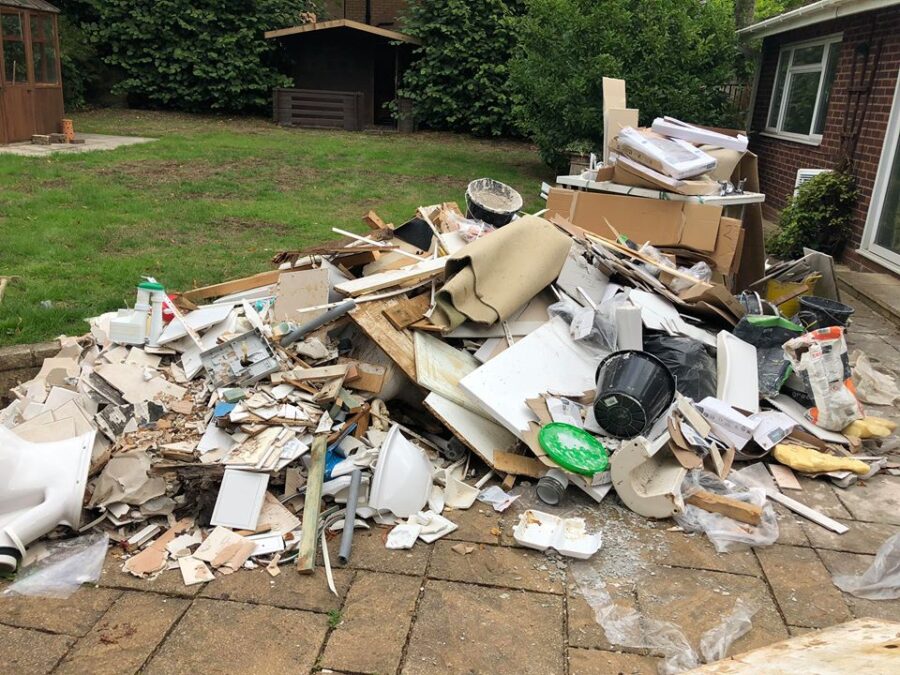
Clearing waste from a home, garden or renovation project requires more than physical effort; it benefits from a clear plan. For households in Wrexham, a little preparation – and knowing what questions to ask – makes the difference between a straightforward collection and a day of unexpected delays.
Start by being specific about what you need removed. Is it a single sofa, a pile of garden debris, builder’s rubble or the contents of an entire house? Accurately assessing volume and material types at the outset helps you compare solutions sensibly and avoid unnecessary expense.
Next, consider timing and access. Do you need a same-day collection or can you schedule a weekday slot? Will vehicles have good access to driveways, narrow streets or communal parking bays? These constraints influence both the choice of service and the likely cost, so it pays to check them early.
There are several ways to arrange clearance: through council bulky-item collections, skip hire, man-and-van services or professional waste removals that handle lifting, loading and disposal for you. Each option has practical trade-offs – for example, skips may require permits and take up space outside your property, while a removal team can work inside and leave no obstruction on the pavement.
When researching options for waste removal in Wrexham, focus on clear credentials: a registered waste carrier number, evidence of responsible disposal and transparent quotations. These details show which firms treat disposal as a regulated service rather than an ad-hoc collection.
Finally, keep recycling and reuse in mind before you book. Sorting items for donation or recycling ahead of collection reduces landfill and can sometimes lower the collection price if a significant portion is reusable or recyclable.
Size Up the Job: Practical Steps to Prepare
Begin by walking through the property and listing what must go. Photographing large items and noting dimensions helps when you request quotes; many companies will offer a free estimate if you can supply photos. Categorise waste into sections: reusable furniture, general household rubbish, garden waste and construction debris, because different materials often attract different disposal routes and charges.
If you share responsibility for a multi-occupancy property, co-ordinate with neighbours or the building manager. Confirm whether you will need to move items through communal corridors or down stairs, and whether lift access is available. The more information you can provide, the more accurate and fair the quotation you receive will be.
Match the Service to the Task
Choosing the right type of collection depends on the nature and scale of the job. For single bulky items, a man-and-van or single-item collection is usually quickest and most cost-effective. For garden clearances, a garden-waste specialist or general waste team that separates green material for composting is a sensible choice. For renovation and building works, ensure the provider can remove plasterboard, rubble and timber safely and legally.
For full house clearances or end-of-tenancy work, a team that handles lifting and loading makes the whole process smoother: you won’t need to move items to the kerb and they will take care of sorting and disposal on your behalf. That convenience often justifies the extra cost for people who are time-poor or physically unable to manage heavy lifting.
Questions Worth Asking Before You Book
Not all suppliers are the same. Before confirming any booking, ask about waste carrier registration and insurance, the company’s approach to recycling and whether they provide an itemised estimate. An honest operator will explain what they will and will not accept and will be able to describe the typical disposal route for different materials.
Other practical queries include whether the quotation includes labour for lifting and stair carries, whether the team will break down furniture where necessary, and what proof of disposal you will receive. For landlords and letting agents, a record of responsible disposal can be useful documentation between tenancies.
Timing, Access and the Little Details That Matter
Access limitations can add unexpected time to a job. Narrow gates, protected driveways, low-height garages and restricted parking zones all affect how a crew works. If parking restrictions apply, you might need to arrange a temporary permit or inform a local authority; some companies can help with this if given notice.
Weather and site conditions also influence logistics. A muddy garden or a driveway cluttered with tools will slow a team down, so clear safe routes if possible. If items are heavy or awkward, tell the provider in advance so they can bring appropriate equipment such as trolleys, straps or extra staff.
Responsible Disposal and Recycling Practices
Environmental responsibility is now a standard expectation. Ask potential contractors how they separate recyclable items, whether they donate usable furniture to local charities, and how they handle hazardous materials such as asbestos, solvents or certain batteries. Reputable firms will refuse hazardous waste or advise on specialist disposal routes rather than accept it and put it at risk.
Donations and re-use prolong the life of perfectly good furniture and reduce landfill. When practical, set aside items that could be passed on and discuss this with the removal team so they can divert them appropriately. Simple pre-sorting at your end can save time and may reduce the overall fee if less general waste remains for disposal.
Cost Considerations: Finding Value Not Just Low Price
Price is important but should be weighed against convenience and compliance. A very low quote might not include labour for carrying items from inside the property or may exclude disposal fees. Clear, written estimates that state what is included give confidence and reduce the chance of surprises on the day.
Look for suppliers who offer no-obligation quotations and transparent pricing. Compare like-for-like quotes: a firm that collects, loads and recycles responsibly can represent better value than a cheaper option that simply drops a skip and leaves you to manage everything yourself.
Preparing Your Home for a Smooth Collection
Make the collection day easier by grouping items in an easily accessible place and labelling any items meant for donation. Remove fragile or sentimental items from rooms being cleared and keep pathways clear to accelerate the process. If tenants, neighbours or other contractors are involved, confirm a mutually convenient time and make sure keys or access information are arranged ahead of arrival.
If you expect the team to enter a property unattended, agree access arrangements in writing and provide emergency contact details. Professional firms usually carry public liability insurance and will take care when working inside a home, but simple precautions on your part help protect both parties and speed the job.
When Hiring Professionals Makes the Most Sense
There are clear advantages to using a professional waste removal service: time saved, reduced physical strain, elimination of skip permit hassles and greater certainty about legal, licensed disposal. For landlords, estate agents and tradespeople managing multiple properties or tight schedules, the predictability of a booked collection is especially valuable.
Attempting to manage large or complex disposals yourself can be more time-consuming than it appears. When a reputable firm handles sorting, lifting, loading and legal disposal, you gain peace of mind and a practical, one-stop solution.
Finding the Right Local Partner
Start your search by checking registration, asking for references and reading recent feedback from customers in similar situations. Local providers who understand regional logistics and recycling networks will usually provide quicker, more tailored service than a generic national operator unfamiliar with your area.
Planning matters. Book well in advance where possible, prepare the site and be clear about access and timelines. Thoughtful preparation leads to efficient collections, better recycling outcomes and a smoother experience for everyone involved.
Whether you are clearing a flat after a tenancy, removing a sofa or managing renovation waste, approaching the task with a plan yields practical benefits and better value. A few careful choices at the start save time, expense and effort on the day of collection.
Get in Touch:
Atlas Waste
3 Dawson Rd, Heald Green, Cheadle SK8 3AE
07767 209731
atlaswasteco.co.uk