




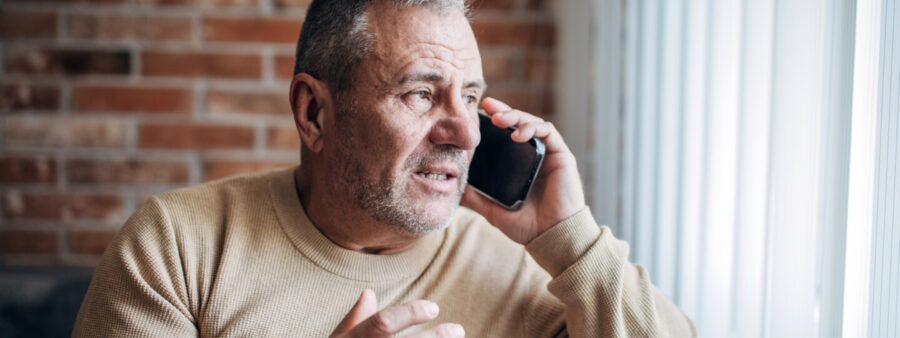
The landscape of mental health assistance has changed considerably in recent years, with technological advancements and shifting social attitudes opening up new avenues for people to receive the therapeutic care they require. Among these developments, the ability to speak with a therapist over the phone has emerged as a truly valuable alternative to traditional face-to-face counselling, attracting a diverse range of people who find this mode of therapy particularly suited to their circumstances, preferences, and therapeutic needs. Understanding why so many people prefer to chat with a therapist over in-person appointments gives crucial insights on accessibility, comfort, effectiveness, and the various ways in which different people engage most productively with mental health services.
Accessibility and Geographic Freedom
One of the most major benefits when it comes to speak with a therapist by phone is the enormous increase in accessibility it gives. Individuals living in rural locations, distant villages, or places with limited mental health care have the option of speaking with a therapist by phone, which opens doors that might otherwise be closed. Rather than making extensive travels to the nearest trained therapist, people can now obtain professional care from the comfort of their own homes, removing travel time, expense, and practical constraints that keep many people from seeking the treatment they truly require.
This geographical independence goes beyond just serving rural communities. Even in urban locations with a wealth of therapeutic resources, specialised specialisms or methods may be scarce, making it difficult to identify therapists who are knowledgeable about specific difficulties, cultural backgrounds, or therapeutic modalities. When you can chat with a therapist over the phone, your options broaden beyond your immediate area to include professionals across the country, significantly boosting your chances of finding a therapist whose knowledge, approach, and personality match your needs. This increased access is especially beneficial for persons struggling with specialised concerns such as specific trauma types, eating disorders, or less common mental health challenges when professional knowledge makes a significant difference in therapy outcomes.
Schedule Flexibility and Time Efficiency
People with demanding schedules, inconsistent employment patterns, or complex caring duties who find it difficult to attend regular in-person visits value the flexibility that comes with choosing to consult with a therapist over the phone. Phone sessions are more convenient for busy people since they do not require travel time, parking, or physical presence at a therapist’s office, making it easier to maintain the regularity that good therapy demands. Someone might call a therapist during their lunch break, between meetings, or after putting their children to bed, during times when travelling to and from an office would be impossible.
This time efficiency eliminates one of the most prevalent barriers to receiving and retaining therapeutic treatment. Many people who may benefit greatly from treatment never begin or stop it because scheduling regular appointments seems impractical. The opportunity to speak with a therapist over the phone removes these logistical barriers, making treatment really accessible to persons whose circumstances would otherwise exclude interaction. Parents, shift workers, carers, and professionals with unpredictable schedules all find that having the ability to communicate with a therapist over the phone turns therapy from an impractical luxury to a viable, long-term commitment.
Comfort and Reduced Anxiety
For many people, particularly those suffering from social anxiety, agoraphobia, or conditions that make leaving the house extremely difficult, the opportunity to speak with a therapist over the phone provides critical comfort, making therapy possible in the first place. The familiar, comfortable environment of home provides protection that professional settings or strange offices cannot equal, allowing people to interact more openly and honestly when they may speak with a therapist over the phone from their own home. This contextual familiarity frequently translates directly into therapy success, as clients are more calm and able to explore difficult emotions and experiences without the added tension that unfamiliar environments cause.
The little diminished intensity that some people feel while speaking with a therapist over the phone rather than in person can actually help them do deeper work. Some clients find it easier to discuss unpleasant, embarrassing, or highly personal issues when they are not under pressure to maintain eye contact or manage the physical dynamics of sharing space with someone else. The phone acts as a gentle buffer, allowing for greater closeness and honesty in persons who may find face-to-face meetings overwhelming or constraining. This does not imply that phone therapy is impersonal or distant; rather, it gives a level of connection that some people consider ideal for therapeutic work.
Privacy and discretion
Many people choose to chat with a therapist over the phone rather than attending in-person consultations at counselling centers or therapists’ offices for privacy reasons. Individuals who are concerned about stigma, professional reputation, or simply want to keep their therapeutic work private will benefit greatly from the discretion provided by phone therapy. There is no risk of seeing colleagues, neighbours, or acquaintances in waiting rooms, no need to explain regular meetings to interested coworkers, and no outward proof of therapy attendance that could prompt uncomfortable questions or suspicion.
This privacy applies to persons living in small communities, where keeping secrecy about mental health care is difficult when therapist visits are visible to others. The ability to speak with a therapist over the phone from private settings offers complete confidentiality, removing hurdles that prevent many people from seeking help owing to concerns about privacy breaches or social censure. The opportunity to communicate with a therapist by phone gives critical privacy protection for young people still living with their families, professionals in sensitive positions, or anyone who prefers complete confidentiality about their mental health support.
Physical Health and Mobility Considerations
People with chronic diseases, physical disabilities, or mobility constraints frequently find that being able to chat with a therapist over the phone removes practical barriers that would otherwise make regular treatment appointments exceedingly difficult or impossible. The energy required to prepare for, travel to, and attend in-person appointments may be beyond what persons with certain health issues can consistently handle, while wheelchair access, chronic pain, or fatigue-causing diseases may make physical attendance extremely difficult.
The opportunity to speak with a therapist over the phone means that these people can receive mental health care without the physical demands that in-person sessions entail. This is especially essential considering that persons with chronic health issues frequently require psychological support to process the emotional impact of their experiences, but face the most practical impediments to accessing traditional therapy. Phone therapy’s accessibility makes vital mental health care available to everyone, regardless of physical ability or health situation.
Financial Accessibility
The cost savings associated with speaking with a therapist over the phone, while not universal, can make therapy more financially accessible to many people. Eliminating travel costs, parking fees, and time away from work for physical appointments minimises the overall investment required to maintain regular therapy. Some therapists offer phone sessions at slightly lower fees than face-to-face meetings, reflecting lower overhead costs, however this varies greatly amongst practitioners.
For people on tight budgets, these savings can be the difference between affording frequent therapy and going without it entirely. The option to speak with a therapist over the phone may allow someone to keep weekly sessions rather than stretching to fortnightly encounters, enhancing therapeutic value while controlling costs more effectively.
Continuity During Life Transitions.
Life circumstances change regularly, with people relocating for job, school, or personal reasons, which would normally destroy established therapeutic ties. The ability to communicate with a therapist over the phone ensures therapeutic continuity despite geographical shifts, allowing people to retain connections with therapists they trust and work effectively with regardless of physical location. This consistency is especially useful during transitions, which are frequently the moments when therapeutic support is most effective.
Students transitioning between university and family homes, professionals on temporary assignments, or anyone experiencing significant life changes can continue to communicate with a therapist over the phone, preserving the stability and support that established therapeutic relationships provide during otherwise disruptive periods.
Pandemic Legacy and Normalisation
The pandemic’s global impact normalised remote therapy services, with many people discovering that speaking with a therapist over the phone or via video worked remarkably well for them. This widespread acceptance challenged prior ideas that good therapy needed physical presence, with both clients and therapists learning that important therapeutic work may occur in remote formats. Many people who tried phone therapy out of need discovered that they preferred it, continuing to speak with a therapist over the phone even after in-person choices became available again.
Focused Verbal Communication
Some people find that when they speak with a therapist over the phone, the emphasis on strictly verbal communication improves their therapeutic experience. Without visual elements to process or bodily dynamics to control, the client and therapist focus solely on the words, tone, and emotional substance of the interaction. This focused verbal engagement is ideal for persons who process their experiences primarily through conversation and find phone communication to be natural and useful for exploring thoughts and feelings.
Conclusion
The decision to speak with a therapist via phone represents a variety of requirements, interests, and situations, making this therapeutic format truly optimal for many people. Far from being a compromise or a second-best option, phone therapy has specific advantages that make it the preferred choice for many people who find it more accessible, pleasant, successful, and tailored to their needs than traditional face-to-face sessions. By understanding and respecting the various reasons why people choose to speak with a therapist over the phone, we can recognise phone therapy as a valuable, legitimate therapeutic format that provides mental health support to people who would otherwise go without, while also providing preferred options for those who simply find that this approach works best for them.