



Millions of individuals in the UK and around the world have knee arthritis, which is a prevalent condition. It generally causes discomfort, stiffness, and limited movement, which makes even routine tasks like walking or climbing stairs hard. The illness happens when the cartilage that protects the bones in the knee joint slowly wears away, causing pain and swelling. Finding the appropriate knee arthritis treatment can make a big difference in keeping your quality of life and preventing additional degeneration because of the complicated nature of the joint.
There are several things that might cause arthritis in the knee, such as becoming older, having a family history of it, getting hurt, or doing the same thing over and over. The most prevalent variety is osteoarthritis, which happens when cartilage slowly wears down. Rheumatoid arthritis, an inflammatory disorder, may impact the knee joint, as can post-traumatic arthritis subsequent to an injury. No matter what the cause, the purpose of all knee arthritis treatment is to ease pain, enhance movement, and keep the joint working as long as feasible.
The Significance of Prompt Diagnosis
An efficient knee arthritis treatment strategy must be determined by early diagnosis. When arthritis is found early on, changes in lifestyle, physiotherapy, and medicine can help slow its progression and ease symptoms. If you don’t pay attention to early indicators like mild pain, stiffness, or swelling, the disease could get worse over time.
Healthcare experts usually start by doing a physical exam and may use imaging tests like X-rays or MRIs to check for damage to the joints. Once the kind and severity of the arthritis are determined, the best knee arthritis treatment choices can be chosen.
Options for treating knee arthritis without surgery
For a lot of people, non-surgical methods work well to relieve pain and put off the need for more intrusive procedures. At this point, knee arthritis treatment usually includes a mix of lifestyle changes, exercise, and medication treatments.
One of the best things people with knee arthritis can do is to keep their weight in check. Extra weight puts more stress on the joints, which makes pain greater and speeds up the damage to cartilage. Even losing a little weight can make a big difference in how much stress is on the knees, making it easier and less painful to move. So, a lot of knee arthritis treatment regimens start with advice on what to eat and how to lose weight.
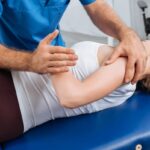
Physical therapy and exercise are also very important. Strengthening the muscles around the knee helps keep the joint stable and makes it more flexible. Swimming, biking, and moderate yoga are all activities that can help you move more easily without placing too much stress on your knees. In order to ensure that exercises are done safely and efficiently, a physiotherapist can develop a tailored program that supports each step of knee arthritis treatment.
You might be given medicine to help with pain and swelling. Paracetamol and non-steroidal anti-inflammatory medicines (NSAIDs) are examples of over-the-counter painkillers that can help for a short time. Doctors may sometimes suggest heavier prescription drugs. Although successful, these treatments should only be used as part of a larger knee arthritis treatment plan that deals with both the symptoms and the root reasons.
What injections do for knee arthritis treatment
Injections can be used to knee arthritis treatment when oral drugs and physiotherapy don’t work. Corticosteroid injections can help reduce swelling and inflammation in the joint, which can linger for weeks or even months. But you shouldn’t use these too often because using them too often can harm cartilage over time.
Hyaluronic acid injections are another alternative. They try to restore lubrication in the joint by duplicating the natural fluid that makes mobility smooth. For people with mild to moderate arthritis who don’t want to have surgery, this type of knee arthritis treatment may be helpful. Regenerative therapies, such platelet-rich plasma (PRP) injections, have become more popular in recent years. These use parts of the patient’s own blood to help the joint recover. Some patients say they feel better after these kinds of therapies, even though research is still going on.
Surgical Treatments for Knee Arthritis
If non-surgical treatments don’t help with pain or movement, surgery may be suggested. Depending on the severity of the joint damage and the patient’s overall health and lifestyle, the best knee arthritis treatment will be recommended.
Sometimes, arthroscopic surgery is done to clean out debris or fix small damage to cartilage in the joint. This knee arthritis treatment that doesn’t require a lot of surgery can help some people feel better for a short time, especially if their arthritis hasn’t become too bad yet.
In more serious cases, partial or full knee replacement surgery may be the best option. This surgery replaces broken elements of the joint with fake ones composed of plastic and metal. Knee replacements are now quite successful thanks to better materials and new surgical techniques. They often restore function and lower discomfort for many years. Rehabilitation is an important part of this knee arthritis treatment since patients need to slowly regain their strength and range of motion after surgery.
Changes to your lifestyle as a way to get better
In addition to medical and surgical treatments, lifestyle changes are important for the long-term efficacy of knee arthritis treatment. Eating a balanced diet full of anti-inflammatory foods can aid with symptoms and improve the health of your joints as a whole. Foods that have omega-3 fatty acids, antioxidants, and vitamins D and E can help lower inflammation in the body.
Another important part of good knee arthritis treatment is to stay active while avoiding activities that put a lot of stress on the knees. Walking, stretching, and water aerobics are all gentle workouts that keep the joints flexible without putting too much stress on them. Some people also say that utilising knee braces, walking aids, or supportive shoes helps ease their pain and keep them stable while doing everyday things.
Also, using relaxation methods like meditation or deep breathing can help with the mental and emotional repercussions of having chronic pain. When used with physical therapy, these kinds of holistic techniques can have a big impact on the overall success of knee arthritis treatment.
The Importance of Physiotherapy and Rehabilitation
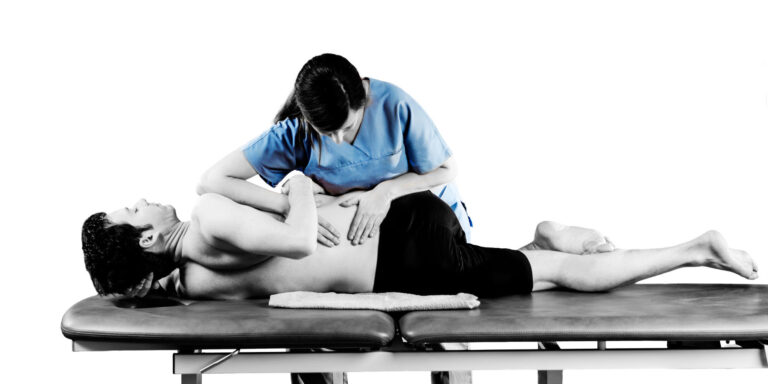
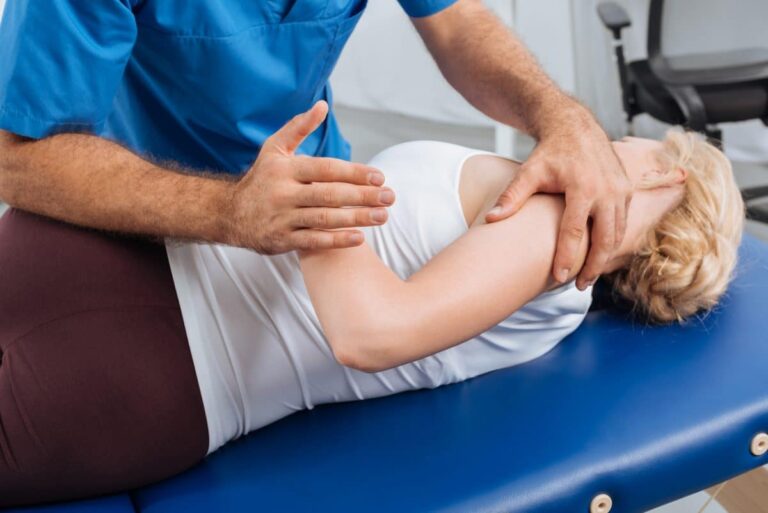
In terms of non-invasive knee arthritis treatment, physiotherapy is still one of the best. A physiotherapist will look at the patient’s condition and come up with a plan to strengthen the muscles that support the knee, make them more flexible, and improve their balance. Regular physiotherapy treatments can help a lot with pain and stiffness, making it easier and more pleasant to move.
Recovery after surgery is just as important. People who have knee replacement surgery or other types of surgery must commit to an organised rehabilitation program to get their mobility and function back. In order to assist the body become used to the new joint mechanics, this phase of knee arthritis treatment includes workouts that get harder over time. Many people can stay mobile and independent for a long time if they stick to their treatment and have competent help.
Other ways to treat knee arthritis that are not traditional or complementary
Some people use complementary therapies to make their knee arthritis treatment plan better. In some circumstances, acupuncture, massage treatment, and hydrotherapy have been demonstrated to help with pain and circulation. These strategies may not cure arthritis, but they can help with pain and relaxation, making them good supplements to medical therapy.
Heat and cold therapy are both easy and helpful strategies to deal with symptoms at home. Heat can relax muscles and ease stiffness, and cold packs can assist reduce swelling and numb intense discomfort. These natural remedies can help you live with arthritis more easily and assist the larger objectives of knee arthritis treatment when they are incorporated into your everyday routine.
The effects on mental health and ways to get help
Chronic pain can affect mental health, therefore emotional support is a crucial component of knee arthritis treatment. People who have long-term joint problems can feel frustrated, tired, or depressed. Support groups, counselling, or mindfulness practices can help people make adjustments to their lives and provide them the support they need. It’s just as vital to deal with the mental side of arthritis as it is to deal with the physical symptoms.
Conclusion: Discovering the Appropriate Route to Relief
The most effective knee arthritis treatment will vary from person to person because no two cases of knee arthritis are the same. A mix of medical, physical, and lifestyle treatments that are tailored to each person’s needs often leads to the best results. The goal is always the same, whether it’s through physiotherapy, medicine, injections, or surgery: to ease pain, restore movement, and improve quality of life.
Early intervention, continued support, and a proactive mindset can all help with successful knee arthritis treatment. People can better control their symptoms and be independent for many years to come by working closely with healthcare providers and keeping devoted to self-care.