




Padel equipment represents a genuine investment. A quality racket, fresh balls, protective footwear and specialised clothing all add up, and once you’ve assembled a setup that works for your game, protecting it becomes a practical priority rather than a luxury. The role of a specialist padel bag often gets overlooked in discussions about court performance, yet it sits at the heart of how players manage their kit day to day. Beyond basic transport, the right bag influences maintenance routines, extends equipment lifespan and removes friction from the experience of moving between home, the club and tournament venues.
Many players who transition from casual to regular padel play discover this reality quite quickly. A hastily packed sports bag or borrowed rucksack might get your racket to the court, but it offers little protection against the knocks and pressure that accumulate over weeks of use. Padel rackets, whilst robust, are engineered with specific materials and frame structures designed for performance. A racket frame that gets crushed against a metal locker or a sharp object in a crowded bag can suffer internal stress fractures long before obvious damage becomes visible. Similarly, quality padel shoes require a dedicated space where they won’t get squashed against damp towels or weighted down by heavier items. When equipment spends more time travelling in unsuitable conditions than in actual use, its performance and longevity both suffer.
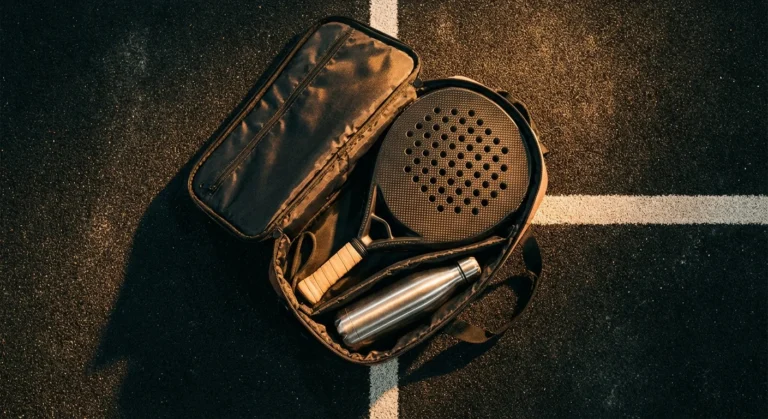
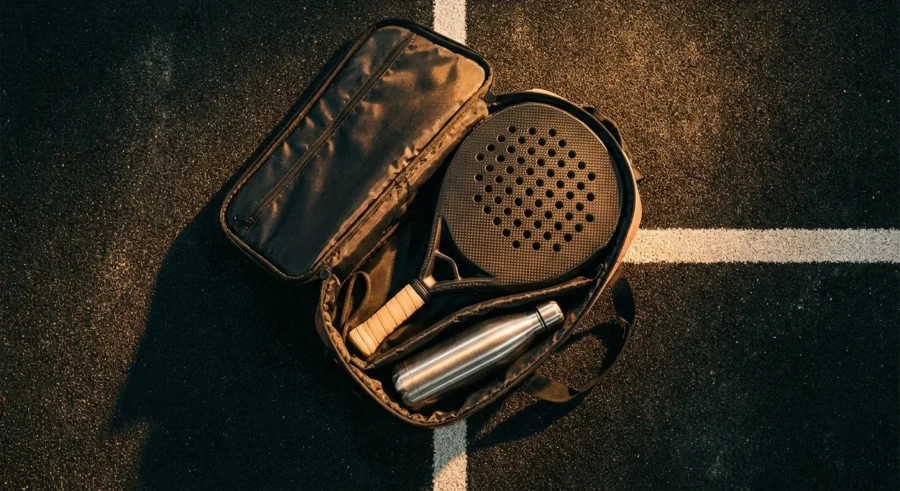
Specialist padel bags address these concerns through considered design rather than simple compartmentalisation. A dedicated racket compartment typically features internal padding and rigid structure to absorb impact and maintain frame alignment. Separate shoe pockets keep footwear isolated, preventing moisture from damp court shoes transferring to clothing or grips. Many models include ventilation features that allow air circulation around equipment, which becomes particularly relevant if you play multiple times per week or in humid conditions. These practical details matter because they mean your racket arrives at the court in the same condition it left home, and wet shoes don’t spend hours pressed against your clean training shirt.
The variety of padel bags now available reflects different playing patterns and preferences. Compact backpack designs suit players who travel by public transport or prefer to move between courts with minimal bulk. These typically prioritise essential compartments—enough space for a racket or two, shoes, a change of clothes and accessories—whilst keeping weight and dimensions manageable. Larger racket bags, meanwhile, appeal to tournament players or those who regularly transport multiple setups. Some feature dedicated slots for three or four rackets, organised compartments for balls, grips and other consumables, and substantial shoe storage. Tournament bags often include external pockets sized for personal items, a side water bottle holder and sometimes even a small section for casual clothing outside the main equipment area. Duffle-style bags offer flexibility for players who want to combine padel kit with other sports gear or travel items, though they typically provide less structured protection than purpose-built racket bags.
Choosing a bag that matches your actual playing routine prevents the gradual accumulation of compromise. If you play twice weekly at a single club, a well-organised backpack with efficient compartments might serve you perfectly, taking up minimal space in your car and remaining easy to carry. If you compete regularly or play at multiple venues, investing in a larger bag with structured racket protection and comprehensive organisation means less time fumbling for grips or shoes when you arrive at the court, and more confidence that your equipment has traveled safely. Players who frequently travel for competitive tournaments benefit from bags with reinforced handles and protective corners, designed to withstand baggage systems and varying climate conditions.
Beyond protection and organisation, the quality of padel bags reflects the care players take with their broader equipment investment. When you select padel bags with attention to construction, material durability and internal organisation, you’re essentially building a system that supports consistent maintenance habits. A player who owns a good bag is more likely to clean their shoes properly after court sessions, store balls in their designated compartment where they remain pressurised, and keep replacement grips and overgrips organised rather than scattered through a locker. These small routines accumulate. Over a year, they can genuinely extend the working life of your rackets and accessories, postponing the need for replacement and allowing you to direct resources toward progression rather than re-equipment.
Material Quality and Durability in Everyday Use
The materials used in padel bags directly influence how well they protect equipment and how long the bags themselves remain functional. Bags designed specifically for padel typically incorporate reinforced nylon or polyester fabrics, chosen because they resist abrasion from repeated packing and unpacking, resist moisture penetration (important if you store damp shoes inside), and maintain their structure over time. Padding materials vary; some bags use closed-cell foam, which provides firm, consistent protection, while others use gel inserts in critical areas combined with lighter padding elsewhere, balancing protection with weight.
The seams, zips and hardware matter more than many players initially realise. A zip that catches or fails partway through the season becomes genuinely frustrating when you’re in a hurry, and re-stitching or replacing zips on a padel bag often costs nearly as much as purchasing a new one. Well-constructed bags use reinforced stitching in stress areas—particularly around corners and attachment points for straps and handles—and often feature metal or heavy-duty plastic hardware designed to withstand regular use without degradation. Even the handles themselves tell a story; padel bags that get grabbed multiple times daily benefit from handles with comfortable padding and secure attachment to the main bag structure, not thin webbing that cuts into your hands or attachment points that tear under weight.
Transport and Travel Considerations
How a padel bag performs during transport shapes the overall ownership experience. Players who drive to courts want bags that fit neatly in a car boot, don’t slide around during acceleration or braking, and don’t impede rear visibility through the window. Bags with stable bases and relatively compact proportions address these practical concerns. Those using public transport benefit from bags that fit comfortably under seats or in overhead compartments on trains, and that balance capacity with weight, since you’ll be carrying them yourself.
Tournament travel introduces additional requirements. If you’re driving several hours to compete, your bag needs to protect equipment in the car through various temperatures and potentially bumpy roads. If you’re flying or taking a coach, you need to consider how bags behave when handled by porters, whether they fit within airline baggage allowances, and whether the bag itself can withstand pressure from other luggage piled on top of it. Some specialist tournament bags include TSA-approved lock loops or reinforced corners specifically for this reason. The investment in a bag that performs reliably during travel means less stress before competition and genuine peace of mind that your rackets will arrive at the venue ready to play.
Organisation Systems and Everyday Efficiency
The internal organisation of a padel bag directly affects how smoothly your court sessions run. A well-organised bag allows you to find your grips without unpacking everything, access your shoes without squashing your clean clothes, and keep balls separate from items that might puncture or dampen them. Some bags feature removable inserts or adjustable dividers, which prove valuable if your needs change—perhaps you eventually own three rackets instead of two, or you start carrying extra accessories for coaching sessions.
Side pockets and external compartments serve practical purposes beyond aesthetics. A dedicated water bottle pocket means your drink remains accessible without requiring you to open the main bag, and an external pocket sized for a towel means you can grab it quickly after play without retrieving it from deep inside. Similarly, a small zippered pocket for keys, phone or membership cards keeps these items secure and immediately accessible, rather than buried among your kit.
The psychological benefit of an organised system shouldn’t be underestimated. A player who can quickly locate their preferred overgrip, access their shoes without disturbing their clean kit, and pack their bag methodically at the end of a session develops a routine that encourages consistent equipment care. Over time, this attention to organisation translates into equipment that performs more reliably and lasts longer, simply because it’s treated with greater consistency.
Investment in Equipment Longevity
From a purely financial perspective, a quality padel bag acts as insurance for your larger equipment investment. A racket might cost £80 to £250 depending on your level; shoes typically range from £60 to £140; a comprehensive set of balls and accessories adds another £40 to £80. Protecting this investment with a bag costing £40 to £120 represents rational financial planning. When you calculate that a quality bag might extend the working life of your equipment by six months or even a year—simply through better protection and enabling better maintenance—the cost per hour of use becomes negligible.
This calculation becomes even clearer for players who own multiple rackets. Competitive players often have different rackets for different conditions or purposes, and protecting these specialised tools through proper storage and transport becomes part of maintaining their competitive setup. A bag with multiple racket compartments designed to prevent racket-to-racket contact means each frame remains in individual condition, ready to perform when called upon.
Personal Preference and Playing Identity
The aesthetic choice of a padel bag also reflects how players present themselves at their club or during competition. Bags come in various colours, designs and styles, from understated professional looks to vibrant patterns that signal a player’s personality. Whilst this might seem superficial, players often feel more committed to their sport when they carry equipment they’ve chosen thoughtfully. A bag that you genuinely like carrying—that fits your aesthetic preference and matches your club environment—becomes an extension of your padel identity rather than a functional nuisance.
For players introducing others to padel or playing socially, a well-organised bag also communicates respect for the sport and your equipment. It suggests you take your game seriously, regardless of your skill level, and it means you’re prepared when you arrive at the court—a quality that experienced players notice and appreciate.
Selecting a padel bag involves practical considerations: the volume of equipment you regularly transport, the distance and method of travel to your usual courts, your preference for backpack versus tote-style carrying, and how much storage you value for accessories and personal items. Beyond these specifics lies a larger truth: the bag you choose influences daily habits, supports consistent equipment maintenance, and extends the lifespan of your investment. It’s one of the few pieces of equipment that serves your game indirectly, working behind the scenes to keep your rackets protected, your shoes in condition, and your routine streamlined. For players serious about padel—whether competing or simply playing regularly—that contribution proves genuinely valuable.