




Energy efficiency continues to be one of the biggest issues for homeowners across the United Kingdom. As energy bills increase and environmental consciousness grows, many property owners seek practical ways to minimise their heating and cooling costs and their carbon footprint. One of the best, but frequently forgotten chances is just over our heads – in the loft space. Poor insulation – old, inadequate or deteriorated – can seriously decrease the thermal performance of your home, resulting in wasted energy and higher power bills. The advantages of loft insulation removal and its replacement with modern, high-performance materials are thoroughly discussed in this comprehensive guide.
What’s wrong with old loft insulation
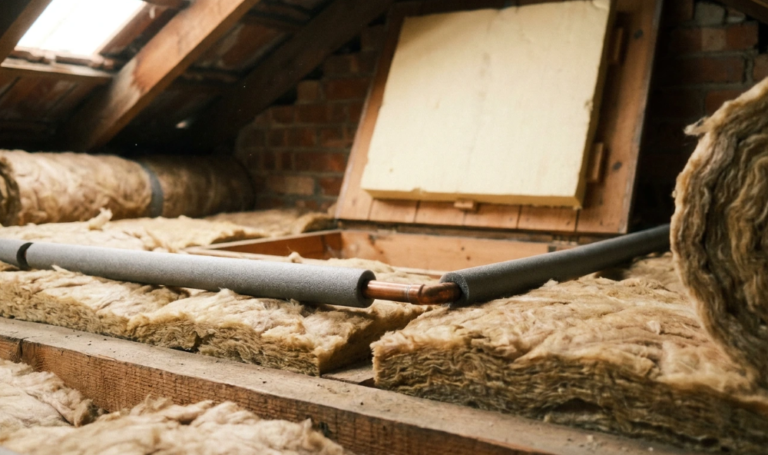
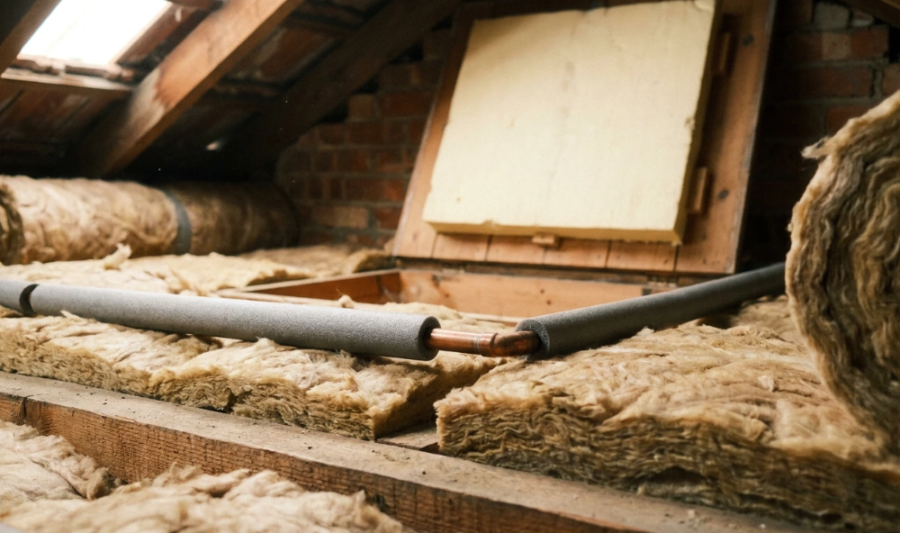
Loft insulation Many properties, especially those built many decades ago, have loft insulation that is no longer up to modern standards. Traditional insulation materials such as mineral wool or fibreglass can settle, get damp or become polluted over time, severely diminishing their efficiency. Insulation settles and compacts, losing its capacity to trap air and provide sufficient heat resistance. This degradation can happen gradually and homeowners may not know that their performance is degrading until they discover unexpected increases to their heating expenditures.
Some older lofts may also include asbestos containing materials which can also offer major health and safety issues. Such hazardous items demand careful handling and professional removal. Old insulation without asbestos might be filthy, uneven or poorly dispersed across the loft area creating cold bridges and thermal weak spots allowing valuable heat to escape in the winter months.
Why You Must Remove Insulation from Your Loft
Loft insulation removal is an investment in the future performance and value of your property. Getting rid of old stuff is a clean slate and will allow the pros to properly examine the loft space and come up with a good plan for insulation. During loft insulation removal, specialists can analyse structural elements, spot moisture damage, and determine whether the space is suitable for current insulation.
The ability to fix problems with past installations is a big benefit of loft insulation removal. Previous insulation measures may have been inadequate, improperly installed, or just insufficient to satisfy today’s energy standards. Professional loft insulation removal will ensure that the loft is fully covered with modern materials that are selected to meet or surpass current building rules. Approved Document L of the Building Regulations on conservation of fuel and power sets out particular U-value standards for loft areas. These levels of resistance are normally beyond the capability of older insulation systems.
Modern Insulation Materials: Improved Performance and Sustainability
Today’s insulating materials are a great improvement over past generations of products. They are better in terms of thermal performance, they are more sustainable, safer and longer lifetime. It is important to understand the options accessible to you when planning your loft insulation removal operation.
Rigid foam boards, such as polyurethane and polystyrene, have excellent thermal resistance and can attain high R-values in low thickness. These materials have consistent performance and do not settle or degrade over time. This efficiency can be particularly beneficial for houses with restricted loft height, maximising usable space yet providing improved insulation.
The environmentally concerned householder is increasingly turning to sheep’s wool and other natural fibres. These breathable textiles have good thermal qualities and assist to manage moisture in the loft space. Natural insulating products tend to have a lower embodied carbon than synthetic equivalents. This helps to lessen environmental effect over the whole life of the product. They also improve interior air quality and reduce the problem of chemical off-gassing.
Cellulose insulation is a cheap and environmentally beneficial choice created from recycled paper goods. This blown-in material can be installed across the whole loft space, filling difficult sections and providing total coverage without thermal bridging. Its higher density than ordinary mineral wool prevents settling and ensures decades of steady performance.
Planning your loft insulation removal project:
There has to be a comprehensive examination and planning before any work begins. A professional examination of your loft will establish how deep the insulation currently is, what type of material has been used and its general condition. Any structural issues, ventilation needs, or impediments that may impede loft insulation removal and installation will be revealed during this examination.
It is important to examine Building Regulations compliance. Modern houses should have a minimum U-value of around 0.16 W/m2K for loft insulation, with depths between 200mm and 400mm depending on the material selected. Your experienced installer can tell you the exact needs for your house, based on your geographic location and the thermal conductivity of the insulation material you choose.
Planning another important consideration is adequate ventilation. The roof areas need certain ventilation paths to prevent moisture collection and condensation. With these criteria clearly in mind modern insulation should be fitted, ensuring that protective vapour barriers are in the right place and that ventilation paths are left clear.
Removal Process of Loft Insulation
In order to reduce inconvenience and ensure full clearance, professional loft insulation removal often follows a systematic procedure. The specialists will first properly seal the entrance point in the loft, protecting the inside of your home from dust and debris. Next, they will carefully remove the current insulation and dispose of it appropriately using the right waste management methods.
Once the old materials are removed, the whole loft space is cleaned and checked thoroughly. This stage can uncover hidden structural components, possible moisture problems or pest damage that needs to be addressed. When the room is prepped, you may begin the installation of new insulation with accuracy and care.
The installation procedure depends on the material chosen. Batts and boards are placed and fixed systematically across the loft floor, blown-in insulation however needs specific equipment. Professional installation provides even distribution, accurate sealing of gaps and correct positioning of vapour barriers and ventilation measures.
Energy Savings, Economic Benefits
The financial case for loft insulation removal and improvement is clear for most homeowners. Poorly insulated lofts can account for between fifteen and twenty-five percent of a property’s overall heat loss. Modern insulation standards can drastically minimise this loss depending on the size and condition of your property, often saving you hundreds of pounds a year on your heating expenditures.
And over time, these savings really add up. A standard loft insulation upgrade pays for itself in five to 10 years and after that the continued savings are pure profit. Comfort and more constant internal temperatures give other, less obvious benefits that increase the quality of life for many homes.
Health and Environmental Concerns
Loft insulation removal and replacement have a significant impact on environmental responsibilities in addition to cost considerations. Lower energy use means lower carbon emissions, which helps fight climate change. Using sustainable modern materials with minimal embodied carbon also helps your environmental impact.
Another big plus is improved indoor air quality. Unlike certain earlier goods, modern insulating materials do not shed their fibres and do not produce volatile organic chemicals. This improvement is particularly useful in homes where people have respiratory sensitivities or allergies.
Summary
Investing in professional loft insulation removal and the fitting of contemporary high-performance materials is a smart move that boosts the long-term efficiency, comfort and value of your property. Old insulation systems eventually become obsolete, costing money and energy every day. Modern alternatives give better performance, sustainability and reliability, making the little costs of removal and replacement worthwhile.
Focusing on this frequently overlooked part of home repair, property owners may make a huge difference to their environmental impact, gain real financial savings and create more comfortable living spaces. Loft insulation removal followed by the installation of modern materials is one of the most efficient energy efficiency modifications available to homes today, whether motivated by financial considerations, environmental awareness, or just plain comfort.