



Dentistry has always balanced two demands: clinical precision and efficient practice management. In recent years, a quiet but significant shift has taken place in how restorative work gets done. Rather than relying solely on traditional in-house or local laboratory processes, a growing number of dental clinics are turning to a 3D lab to design and manufacture crowns, bridges, veneers, dentures and other restorations. This move isn’t simply a passing trend driven by novelty; it reflects deeper changes in technology, patient expectations and the economics of running a modern dental practice.
The Shift From Analogue to Digital Workflows
For decades, restorative dentistry depended on physical impressions, plaster models and manual craftsmanship. While skilled technicians could produce excellent results, the process was inherently slow and left considerable room for human error at multiple stages — from impression taking to model pouring to hand-finishing. Every step introduced the possibility of distortion, and remakes were a routine, if frustrating, part of the job.
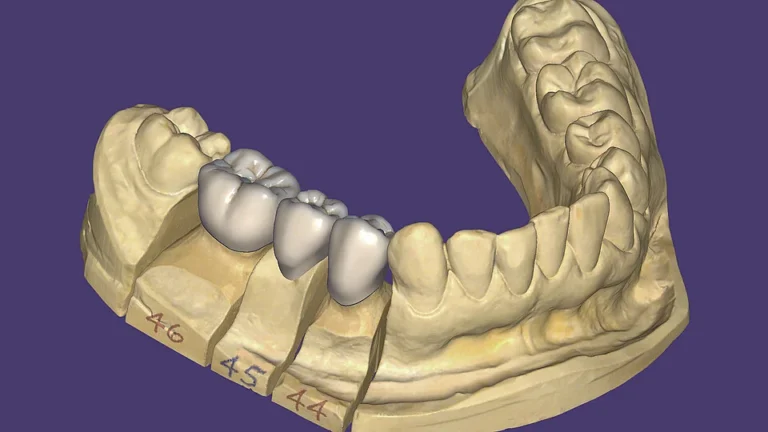
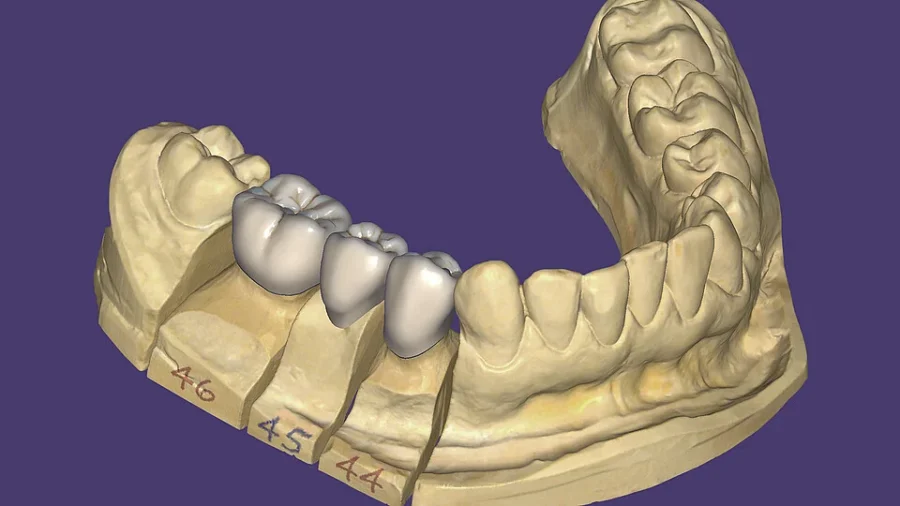
The arrival of intraoral scanners, computer-aided design and computer-aided manufacturing (CAD/CAM) has transformed this picture. A 3D lab uses digital scans rather than physical impressions, feeding highly accurate data directly into design software. Technicians can then model a restoration with sub-millimetre precision before sending the file for milling or printing. This digital thread — from scan to design to production — removes several of the weak links that plagued analogue workflows, and it’s a major reason clinics are choosing to work with a 3D lab rather than persisting with older methods.
Precision and Consistency at Scale
One of the clearest advantages of working with a 3D lab is the consistency it brings to restorative outcomes. Digital design software allows technicians to visualise occlusion, contact points and margins with a level of detail that is difficult to achieve by eye alone. Because the software retains a library of previous cases and templates, a 3D lab can replicate proven designs reliably across many patients, reducing the variability that naturally creeps into handcrafted work.
This matters enormously for clinics that handle a high volume of restorative cases. When a practice sends work to a 3D lab, it can expect a more predictable turnaround in terms of both timing and quality. Fewer adjustments are needed at the chairside, which in turn reduces appointment times and the likelihood of a patient needing to return for a refit. For a busy practice, this predictability translates directly into better scheduling and a smoother patient journey.
Cost Efficiency Without Sacrificing Quality
Running an in-house laboratory is expensive. It requires investment in milling units, printers, furnaces, software licences and, critically, skilled technicians who command competitive salaries. For many small and mid-sized practices, maintaining this infrastructure simply isn’t viable, especially when case volumes fluctuate throughout the year.
Outsourcing to a 3D lab allows clinics to access advanced manufacturing capability without carrying the fixed costs of equipment and staffing. Instead of a large capital outlay, practices pay per case, which aligns costs directly with revenue. This is particularly attractive for clinics that are expanding, since it allows them to scale restorative output up or down without the burden of underused machinery sitting idle in a back room. A 3D lab effectively becomes an extension of the practice’s capacity, available exactly when needed rather than representing a permanent overhead.
There is also a knock-on effect on pricing for patients. As competition among digital laboratories increases and production becomes more automated, the cost per unit for many restorations has become more competitive than traditional lab fees, particularly for higher-complexity cases involving multiple units or complex materials.
Faster Turnaround Times
Patients today expect speed. Whether it’s same-day service or a a noticeably shorter wait between preparation and fitting, the tolerance for lengthy restorative timelines has diminished. Traditional laboratory processes, with their reliance on physical shipping of models and manual fabrication, often meant turnaround times measured in weeks rather than days.
A 3D lab, by contrast, can compress much of this timeline. Digital files transfer instantly, eliminating courier delays for impressions. Design work can be completed and reviewed remotely, sometimes with real-time collaboration between the treating dentist and the lab technician. Automated milling and printing equipment can then produce restorations far more quickly than manual fabrication allows. For clinics competing on convenience as much as clinical outcome, this speed is a genuine differentiator, and it’s one of the clearest commercial arguments for using a 3D lab.
Access to Specialist Expertise
Not every dental practice has access to technicians skilled in every type of restoration. Complex full-mouth rehabilitations, intricate implant-supported prosthetics or advanced aesthetic veneers may require specialist knowledge that a general laboratory simply doesn’t possess. By outsourcing to a 3D lab, clinics gain access to a wider pool of expertise than they could realistically employ directly.
Many digital laboratories specialise in particular niches, building deep experience in areas such as implant planning, orthodontic appliances, or highly aesthetic anterior restorations. A clinic can therefore route different types of cases to the most appropriate specialists, rather than being limited to whatever skills happen to reside within a single in-house team. This flexibility allows even smaller practices to offer a broader range of advanced treatments, competing on clinical capability with far larger organisations.
Material Innovation and Broader Options
The materials available for dental restorations have expanded considerably, from various ceramics and zirconia formulations to hybrid composites designed for specific aesthetic or functional requirements. Keeping pace with this innovation requires ongoing investment in new milling blocks, printing resins and processing equipment, along with the training needed to use them effectively.
A well-equipped 3D lab is far better positioned to stay current with material developments than an individual practice, simply because the lab serves many clinics and can justify continual reinvestment in new technology. This means dentists working with a 3D lab often have access to the latest generation of materials without needing to purchase or learn to handle each new product themselves. It also means that as material science advances, clinics benefit almost immediately rather than waiting until they can justify the cost of adopting a new system in-house.
Reducing Chairside Time and Improving the Patient Experience
Beyond the technical and financial arguments, there is a simple, practical benefit to outsourcing: it frees dentists to focus on patient care rather than laboratory logistics. Manually managing impressions, liaising with technicians over remakes, and troubleshooting fit issues all take time away from clinical work. When a clinic partners with a reliable 3D lab, much of this administrative burden is absorbed by a streamlined digital process.
Patients also benefit directly. Digital scanning is generally more comfortable than traditional impression materials, reducing gagging and discomfort during appointments. Faster turnaround means fewer visits and less time spent with temporary restorations. And because a 3D lab typically works from precise digital data rather than a physical mould that can degrade or distort in transit, patients experience fewer refits and adjustments, resulting in a smoother overall treatment experience.
Environmental and Practical Considerations
There is also a sustainability dimension to this shift. Traditional impression materials, packaging and physical shipping all carry an environmental cost that digital workflows largely eliminate. Sending a scan file to a 3D lab produces none of the waste associated with alginate or silicone impressions, nor does it require the transport of physical models back and forth. For clinics increasingly conscious of their environmental footprint, this is a meaningful, if secondary, benefit of digital outsourcing.
Looking Ahead
The move towards outsourcing restorative work to a 3D lab is unlikely to reverse. As scanning technology becomes more accurate and affordable, and as manufacturing techniques such as additive printing continue to mature, the case for digital outsourcing will only strengthen. Clinics that adapt early are positioning themselves to offer faster, more predictable and more sophisticated restorative care, without the capital burden of running their own manufacturing facility.
Ultimately, the rise of the 3D lab reflects a broader trend in dentistry towards specialisation and digital integration. Rather than trying to do everything in-house, forward-thinking practices are recognising that partnering with dedicated digital laboratories allows them to deliver better outcomes, more efficiently, while keeping their focus where it belongs: on patient care.