




For travellers seeking a memorable mountain adventure that combines physical challenge, stunning scenery and cultural discovery, escorted treks to Mount Toubkal offer an exceptional experience. Rising proudly within Morocco’s High Atlas Mountains, Mount Toubkal is the highest peak in North Africa and attracts walkers, hikers and outdoor enthusiasts from around the world. Its dramatic landscapes, welcoming local communities and achievable summit make it one of the continent’s most rewarding trekking destinations.
An escorted trek provides an opportunity to explore this remarkable region with confidence and support. Whether participants are experienced hill walkers or adventurous travellers looking to tackle their first major mountain ascent, organised trekking experiences offer valuable guidance, local knowledge and logistical assistance throughout the journey. The result is a more enjoyable and immersive experience that allows trekkers to focus on the scenery, culture and achievement rather than the practical challenges of navigating unfamiliar terrain.
The popularity of Mount Toubkal continues to grow among those seeking an authentic mountain adventure. Unlike some heavily commercialised trekking destinations, the High Atlas region retains a genuine sense of tradition and natural beauty. Visitors are able to experience spectacular mountain landscapes while gaining insight into the lives and customs of the Berber communities that have inhabited the region for generations.
One of the key attractions of escorted trekking experiences is the reassurance provided by knowledgeable guides. The mountain environment can be unpredictable, with changing weather conditions, varying trail surfaces and significant altitude gains. Experienced guides help ensure that trekkers remain on the correct routes while providing advice on pacing, hydration and acclimatisation.
Guides also enhance the overall experience through their understanding of the local environment. They can explain the geography of the mountains, identify native plants and wildlife, and share fascinating information about the history and traditions of the surrounding villages. This additional layer of knowledge transforms the journey from a simple hike into a much richer cultural and educational experience.
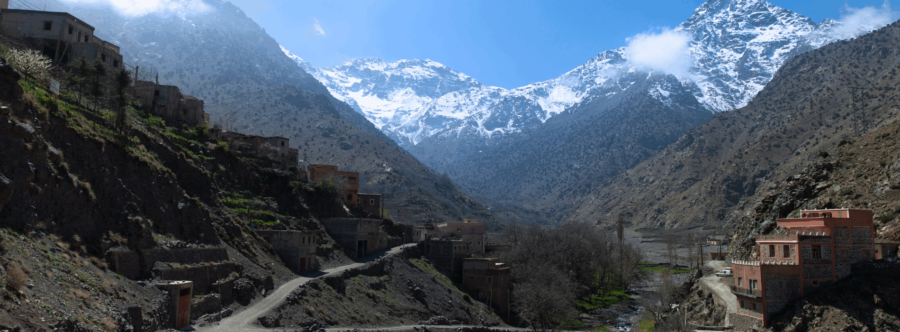
The route towards Mount Toubkal typically begins in the mountain village of Imlil, which serves as the primary gateway to the High Atlas Mountains. Located a relatively short distance from Marrakech, Imlil offers a striking contrast to the bustling city atmosphere. Traditional stone buildings, terraced fields and mountain streams create an idyllic setting that immediately immerses visitors in the natural beauty of the region.
As trekkers leave the village behind, the scenery gradually changes from cultivated farmland to rugged mountain terrain. Winding paths pass through valleys, across rocky slopes and alongside crystal-clear streams. Every stage of the journey reveals new perspectives of the surrounding peaks and showcases the dramatic landscape that makes the region so special.
One of the most appealing aspects of an escorted trek is the carefully planned itinerary. Routes are typically designed to allow participants sufficient time to adapt to the altitude while enjoying the scenery at a comfortable pace. Accommodation, meals and support arrangements are organised in advance, removing many of the logistical concerns associated with independent travel.
Mountain refuges provide a welcoming base before summit day. These simple yet comfortable facilities allow trekkers to rest, enjoy a hearty meal and prepare for the final ascent. The atmosphere within the refuges often becomes one of the highlights of the journey, with people from different countries sharing stories and anticipation as they prepare for the challenge ahead.
Summit day is undoubtedly the defining moment of any trek to Mount Toubkal. The ascent usually begins before sunrise, allowing participants to reach the summit during the morning hours. The early start creates a unique sense of excitement as head torches illuminate the path and the first hints of daylight appear over the mountains.
As the climb progresses, the views become increasingly impressive. The vast mountain ranges stretch across the horizon, revealing an ever-changing landscape of ridges, valleys and distant peaks. Reaching the summit delivers an enormous sense of accomplishment and reward. Standing at the highest point in North Africa provides a memorable moment that many trekkers describe as one of the greatest achievements of their outdoor adventures.
The panoramic views from the summit are extraordinary. On clear days, vast sections of the High Atlas Mountains can be seen extending in every direction. The scale and beauty of the landscape create a profound appreciation for the natural environment and the effort required to reach such a remarkable location.
Beyond the summit itself, escorted treks provide valuable opportunities to engage with local culture. The Berber communities that inhabit the region are renowned for their hospitality and strong connection to the mountains. Visitors frequently encounter local families, mule handlers and villagers during their journey, offering authentic glimpses into everyday life in the High Atlas.
Traditional architecture, local cuisine and centuries-old customs contribute significantly to the overall experience. Meals often feature regional dishes prepared using fresh ingredients, providing an enjoyable introduction to Moroccan mountain cuisine. Sharing tea with local residents or learning about agricultural practices in the valleys adds a meaningful cultural dimension that complements the physical challenge of the trek.
Another important benefit of escorted trekking is the support infrastructure available throughout the journey. Many organised expeditions utilise mule teams to transport equipment, supplies and luggage between locations. This allows participants to carry lighter day packs and focus more comfortably on the walking itself.
Support staff also contribute significantly to the smooth operation of the trek. Their efforts behind the scenes help ensure that accommodation, meals and equipment are available when needed, allowing participants to fully immerse themselves in the experience. This level of organisation often enhances both comfort and safety, particularly for those unfamiliar with mountain trekking.
The physical challenge involved in climbing Mount Toubkal is often one of the main reasons people choose the destination. While the trek does require a reasonable level of fitness, it remains achievable for many active individuals with appropriate preparation. The routes do not typically involve technical climbing skills, making the mountain accessible to a broad range of trekkers.
Preparation remains important, however. Building cardiovascular fitness, improving endurance and undertaking regular walking before departure can significantly enhance the experience. Escorted groups often provide guidance on preparation, helping participants arrive with realistic expectations and suitable equipment.
The changing seasons also influence the trekking experience. Spring and autumn are particularly popular due to their pleasant temperatures and stable weather conditions. During these periods, the mountains display a variety of colours and landscapes that create exceptional photographic opportunities.
Summer offers clear skies and long daylight hours, while winter introduces an entirely different environment characterised by snow-covered slopes and alpine scenery. Escorted winter expeditions typically involve additional equipment and specialist guidance, allowing trekkers to experience the mountain under dramatically different conditions.
Photography enthusiasts often find the region especially rewarding. The interplay of light and shadow across the mountains, combined with traditional villages and dramatic landscapes, creates endless opportunities for capturing memorable images. Sunrise and sunset frequently produce spectacular colours that enhance the natural beauty of the terrain.
Environmental awareness has become increasingly important in mountain tourism, and many escorted trekking experiences promote responsible travel practices. Guides and organisers often encourage visitors to minimise waste, respect local customs and support sustainable tourism initiatives. Such approaches help preserve the natural and cultural heritage of the region for future generations.
The sense of camaraderie developed during a guided expedition is another frequently overlooked benefit. Sharing the challenges and achievements of a mountain journey creates strong bonds between participants. Conversations during the trek, shared meals and collective celebrations at the summit contribute to a positive and supportive atmosphere that many travellers remember long after returning home.
For those seeking adventure without sacrificing organisation and support, escorted journeys provide an ideal balance. The combination of expert guidance, cultural immersion and carefully managed logistics allows participants to experience the very best of the High Atlas Mountains while maintaining confidence throughout the journey.
Ultimately, a trek to Mount Toubkal represents far more than a simple climb. It is an opportunity to discover extraordinary landscapes, encounter welcoming communities and achieve a meaningful personal goal. The experience combines physical accomplishment with cultural exploration, creating memories that remain long after the journey has ended.
As interest in adventure travel continues to grow, escorted treks remain one of the most rewarding ways to explore Morocco’s highest mountain. With breathtaking scenery, experienced guides and a supportive environment, these expeditions offer an unforgettable introduction to one of North Africa’s most iconic natural landmarks. For many travellers, the journey to Mount Toubkal becomes a defining adventure that inspires a lifelong appreciation for mountain exploration and the unique beauty of the High Atlas Mountains.
Get in Touch:
Toubkal Trekking
Appartement A2, Bourj Ourika, Immeuble D, Marrakech 40000, Morocco
+212 6 62 16 06 90
toubkal-trekking.com