





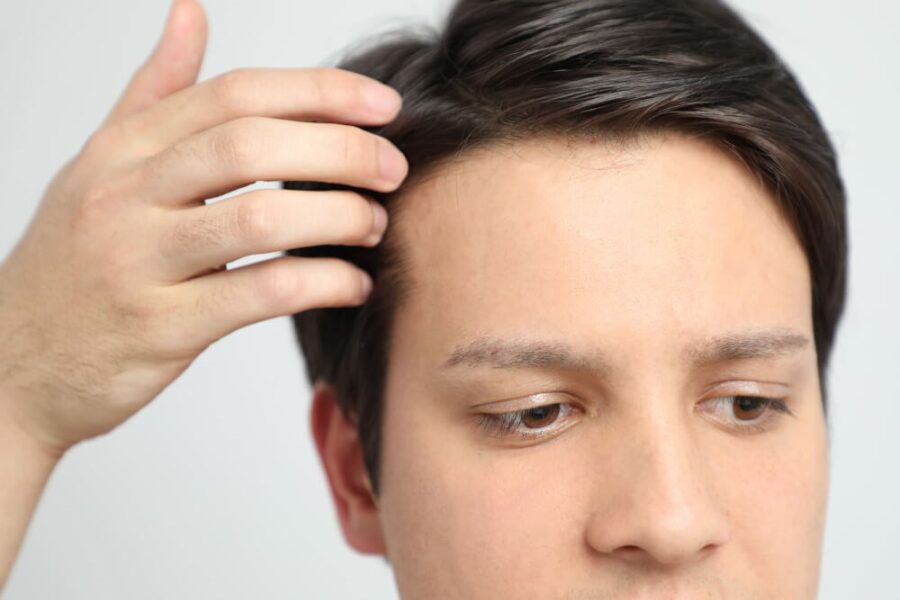
Choosing to pursue a hair transplant signifies an important decision in the process of combating hair loss and regaining self-assurance. This exhaustive guide will lead you through each phase of the process, from initial deliberations to enduring outcomes, ensuring a clear understanding of what to expect at every stage.
The choice to undergo a hair transplant frequently follows months or years of observing your hairline recede or detecting thinning areas that cannot be effectively concealed through grooming. Prior to proceeding with the procedure, it is crucial to recognise that a hair transplant constitutes a legitimate surgical intervention that necessitates meticulous planning, realistic expectations, and appropriate post-procedure care. The process commences well in advance of your entry into the operating theatre and extends considerably beyond the day of your procedure.
Initial consultations constitute the essential first step in your hair transplantation process. During these consultations, a qualified surgeon will examine your scalp, evaluate the extent of your hair loss, and determine your suitability as a candidate for the procedure. Not all individuals experiencing hair loss are suitable candidates for a hair transplant, as considerations such as the stability of the hair loss pattern, the condition of the donor area, and overall health are all critical factors. Your surgeon will evaluate and recommend the most suitable technique for you, typically either Follicular Unit Extraction or Follicular Unit Transplantation, each providing specific benefits tailored to your individual situation.
Preparation for your hair transplant commences several weeks prior to the planned date. Your surgeon will provide specific instructions, which may include abstaining from certain medications, especially blood thinners and anti-inflammatory medicines that could elevate the risk of bleeding during the procedure. Alcohol intake should be discontinued at least one week prior, and smoking should ideally be abstained from completely, as it can impair blood circulation to the cranium and hinder the healing process. Many surgeons advise that patients scheduled for a hair transplant refrain from intense physical activity for several days prior to the procedure and ensure they are adequately rested and properly hydrated.
The day of your hair transplant is likely to be lengthier than expected, as procedures generally take between four and eight hours depending on the number of grafts being transplanted. You will remain conscious throughout the hair transplant procedure, although local anaesthesia guarantees that you will not experience any discomfort in the treatment regions. The surgeon will initially harvest follicles from the donor region, typically the posterior and lateral areas of the scalp where hair growth is most persistent. These follicles are subsequently carefully prepared prior to implantation into the recipient site where hair loss is occurring.
Gaining insight into the procedures involved in a hair transplant can help reduce anxiety. The extraction procedure entails the removal of either individual follicular units or tiny sections of scalp tissue, contingent upon the selected method. Each individual follicle is scrutinised under magnification and meticulously prepared for transplantation. The surgeon subsequently makes small incisions in the recipient area, meticulously accounting for the natural hair growth patterns, suitable angles, and aesthetic distribution to ensure a completely natural appearance. The implantation phase of a hair transplant demands meticulous precision and artistic expertise, as the positioning of each graft significantly influences the overall aesthetic outcome.
Immediately following your hair transplant, your scalp will be bandaged, and comprehensive hygiene instructions will be provided. The initial night may be uncomfortable, as some patients may experience throbbing sensations or tightness throughout the cranium. Sleeping in an elevated position assists in minimising oedema, which frequently occurs around the forehead and eyes during the initial days following a hair transplant. This oedema is completely normal and generally diminishes within three to five days without the need for intervention.
The first week following a hair transplant is essential for optimal recuperation. You must handle your epidermis with the utmost delicacy, refraining from touching, scratching, or rubbing the treated regions. Washing your hair necessitates specific techniques and products as advised by your surgeon, typically starting a few days after the procedure. Many individuals typically take approximately one week off work after their hair transplant; however, this duration depends on the nature of their vocation and the extent of the procedure. Engagement in physical activity should be restricted, and strenuous exercise should be avoided for a minimum of two weeks.
One element of the hair transplant recuperation process that often astonishes patients is the shedding stage. Within a period of two to four weeks following your procedure, the transplanted hairs will shed. This phenomenon, referred to as shock loss, is entirely normal and anticipated. Recognising that this is a normal aspect of the hair transplant procedure helps prevent unnecessary alarm. The follicles themselves remain firmly anchored in your cranium, and new hair growth will develop from these follicles over the forthcoming months. This transient setback is merely the transplanted hairs making room for permanent growth.
The weeks and months subsequent to your hair transplant necessitate tolerance. New hair growth generally becomes noticeable approximately three to four months after the procedure, initially manifesting as fine, nearly imperceptible filaments. The true transformation becomes evident between six and nine months following your hair transplant, as the hair increases in both texture and length. Complete results are typically realised after twelve to eighteen months, rendering this a significant commitment that necessitates realistic expectations and perseverance.
During the post-operative recuperation phase following a hair transplant, you will attend follow-up consultations in which your surgeon assesses your progress and addresses any concerns. These examinations offer opportunities to review your recovery, assess the transplanted region, and confirm that the healing process is proceeding appropriately. Most patients find these appointments reassuring, as they are able to observe steady progress over time.
Potential complications subsequent to a hair transplant are comparatively uncommon when the procedure is conducted by experienced professionals and postoperative care instructions are meticulously adhered to. Some patients may develop minor infections, which typically respond effectively to antibiotic treatment. The extent of scarring in the donor area differs according to the technique employed, with certain methods resulting in more conspicuous scars than others. Discussing these options prior to your hair transplant guarantees that you are thoroughly informed and enables you to make decisions consistent with your preferences and lifestyle.
The psychological effects of a hair transplant transcend mere physical appearance. Numerous recipients report heightened confidence, enhanced self-esteem, and increased contentment with their appearance once the results have fully matured. Nonetheless, it is essential to approach a hair transplant with realistic and balanced expectations. The procedure regrows hair in areas of hair loss; however, it cannot augment hair density beyond your optimum level nor prevent future hair loss in regions that remain untreated.
Sustaining the results of your hair transplant may necessitate continuous care. Although transplanted follicles are typically resistant to the hormones responsible for pattern baldness, existing hair in other regions may persist in thinning gradually over time. Some patients opt to utilise medications or remedies to maintain their remaining natural hair in conjunction with their hair transplant outcomes. Engaging in a discussion regarding long-term maintenance strategies with your surgeon guarantees a comprehensive understanding of the overall situation.
Financial considerations associated with a hair transplant warrant thorough deliberation. The investment fluctuates significantly based on the degree of hair loss, the quantity of grafts needed, and the selected technique. Comprehending the total cost prior to proceeding helps to avoid unforeseen surprises and facilitates effective financial planning.
Ultimately, a hair transplant provides a definitive solution to hair loss for suitable candidates. By comprehending what to anticipate prior to, during, and following the procedure, you can undertake this process with assurance and well-founded expectations. The transformation progresses incrementally, necessitating patience and appropriate care; however, for many individuals, the outcomes justify the time and effort invested. Whether you are in the initial stages of exploring options or have already arranged your procedure, being thoroughly informed guarantees the most favourable experience and results from your hair transplant journey.