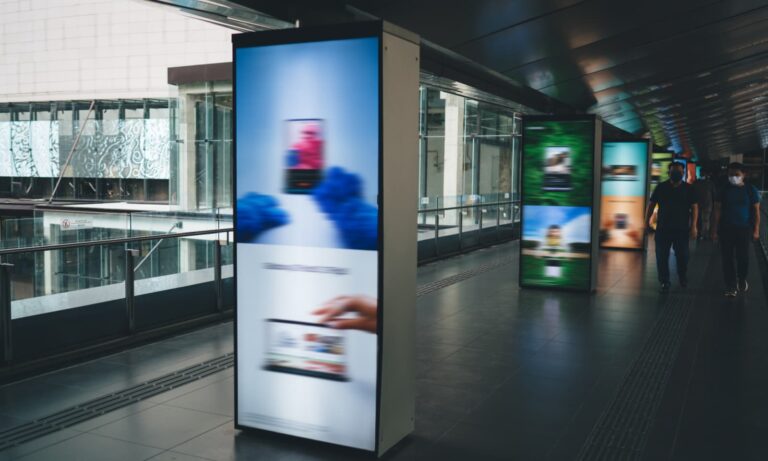





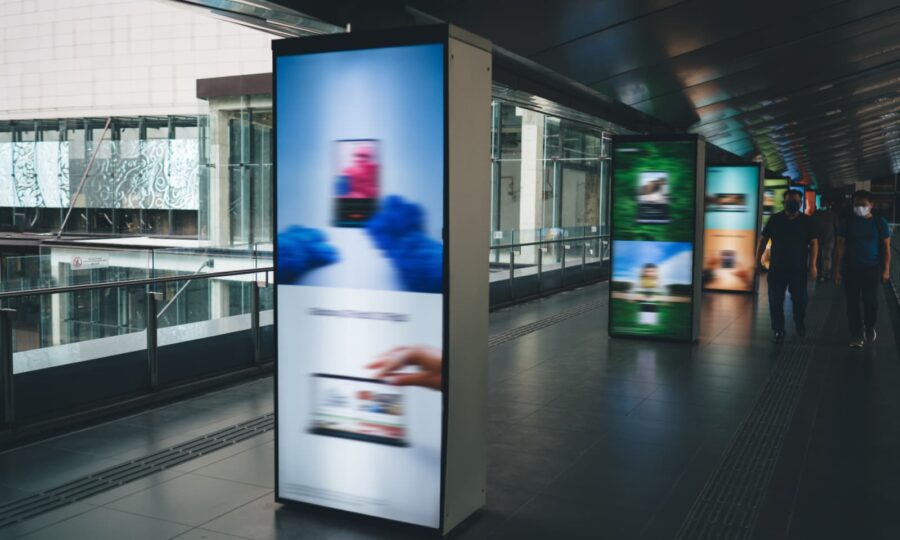
The fast growth of technology has completely changed how organisations talk to their customers, employees, and audiences. Digital signage systems have become one of the most dynamic and successful ways to convey real-time information, ads, and interactive experiences in a wide range of settings and sectors.
Digital signage is a wide range of electronic display technologies that use LCD screens, LED panels, projection systems, and interactive touchscreens to show multimedia content. These complex systems have come a long way from simple static displays. They now offer advanced features like cloud connectivity, integration with artificial intelligence, content management, and real-time data synchronisation.
Modern digital display platforms are useful in many different fields since they can be used in so many different ways. In stores, these solutions let you run dynamic product promotions, help customers find their way, and provide them tailored experiences. Digital signs are used by schools and universities for campus communication, emergency alerts, and interactive learning spaces. Healthcare facilities use these systems to show patient information, manage lines, and talk to personnel. Digital screens are used in corporate offices for internal communication, managing visitors, and promoting the brand.
One of the best things about modern digital signage systems is that they can provide content that is relevant to the situation and the audience. Advanced systems can change what they show based on things like the time of day, the weather, the demographics of the audience, and real-time data streams. This dynamic feature lets businesses get the most out of their messages while keeping the material new and interesting.
Content management is an important part of setting up digital signage that works well. Modern platforms have advanced content management systems that let users make, plan, and share multimedia material across numerous screens from a single location. These systems can handle a wide range of media types, such as high-definition video, animations, live social media feeds, web content, and interactive apps. Businesses may adapt to changing conditions, promotional opportunities, or emergencies with unparalleled flexibility thanks to the ability to update material from anywhere and at any time.
Interactive digital signage has become very popular since it gets people involved instead of just watching. Touchscreen interfaces, gesture recognition technologies, and the ability to connect to mobile devices all make experiences more immersive and encourage people to participate and collect data. These interactive features are especially useful in stores where customers can go through product catalogues, get more information, or even make purchases right from digital displays.
The addition of Internet of Things technology has made digital signage solutions much more advanced. Connected displays may collect data about the environment, keep track of how engaged the audience is, and change the content automatically based on preset triggers. With this expertise, organisations may improve their communications strategy by using data-driven insights and automatic responses to changes in the environment.
For businesses that want to get people’s attention in busy places, outdoor digital signage offers both unique chances and problems. These strong systems need to be able to handle things like changes in temperature, moisture, direct sunshine, and physical impacts while still being easy to see and work well. Advanced outdoor displays have features like automatic brightness adjustment, weatherproofing, and anti-glare technologies that make sure they work well even when the weather is bad.
Modern digital signage solutions may be used by organisations of all sizes, from small stores with only one location to large companies with thousands of displays. Cloud-based solutions offer enterprise-level capability and security without the requirement for a lot of on-site equipment. This ease of use has made digital signage installation available to everyone, allowing small businesses to use complex display technologies that were once only available to major companies.
As digital signs systems grow more linked and data-driven, security concerns become more and more critical. Strong cybersecurity measures, such as encrypted connections, secure authentication processes, and regular software updates, protect both the infrastructure for the signs and any sensitive information that is shown or gathered through these systems.
As technology has gotten better and the cost of making things has gone down, digital signage solutions have become much more cost-effective. Digital displays are more cost-effective in the long run than traditional printed signs since they save money on printing, manpower, and provide you more options. Updating content right away gets rid of the time and money needed to make and put up new printed materials for marketing campaigns or changes in how things work.
Analytics and the ability to measure performance are now must-have features of professional digital signage solutions. These systems can keep track of how many people are watching, how well the content is working, and how well the business is running. This information can help you improve your signage techniques. Businesses may improve their content and placement tactics for the best results by using heat mapping technologies, dwell time analysis, and audience demographics data.
When choosing and setting up digital signs, environmental sustainability has become a very important factor. To have the least effect on the environment, modern screens use energy-saving technology like LED backlighting and intelligent power control. Going digital with signs also helps the environment by getting rid of paper and other trash.
Digital signage systems are always getting better because to new technologies like AI, augmented reality, and better sensor integration. Based on past performance data and audience behaviour patterns, machine learning algorithms can help optimise predicted content. Augmented reality features make experiences that mix digital content with real-world settings, and powerful sensors give extensive information about the audience and the environment.
Professional installation and continuing support services are now very important for the success of digital signage. Proper installation makes sure that the system works as well as possible, lasts as long as possible, and is safe. Professional support services offer technical help, software upgrades, and preventative maintenance to make sure that the system is as reliable and effective as possible.
Digital signage solutions are good long-term investments since they can change with the needs of the business and new technologies. Systems can change with the needs of the business without having to replace all of the hardware because of modular designs and software-based capabilities. This part that makes it “future-proof” means that businesses can keep using their digital signage investments as new technologies and features come out.
Digital signage solutions have changed the way businesses talk to their customers in a big way, giving them more freedom, ways to get people involved, and ways to save money. These solutions will definitely become more vital for business communication, consumer engagement, and operational efficiency in all industries throughout the world as technology continues to improve. Digital display technologies are always getting better, which means there will be even more chances for new ideas and better results in the future.