




Deciding how to invest in earthmoving plant is rarely a one-off calculation. Projects evolve, regulations shift and a business’s workload can vary from tight urban groundwork to expansive civils contracts. An editorial approach that places flexibility at the heart of fleet decisions helps contractors and plant managers make choices that remain useful across changing conditions.
Flexibility as a strategic priority
When fleet owners start with flexibility in mind they avoid being locked into a single use case or machine type. Flexibility means choosing equipment that can be repurposed, specifying adaptable attachments, and using purchase structures that can be adjusted as demand changes. It also includes ensuring timely support and delivery options so machines can be redeployed between sites across the country without excessive downtime.
Practical flexibility also covers planning for operational variables: operator availability, site access constraints, transport limits, and seasonal variations in workload. By thinking ahead about these variables, a buyer can select machines and service packages that provide genuine day‑to‑day value while leaving room to respond to new opportunities.
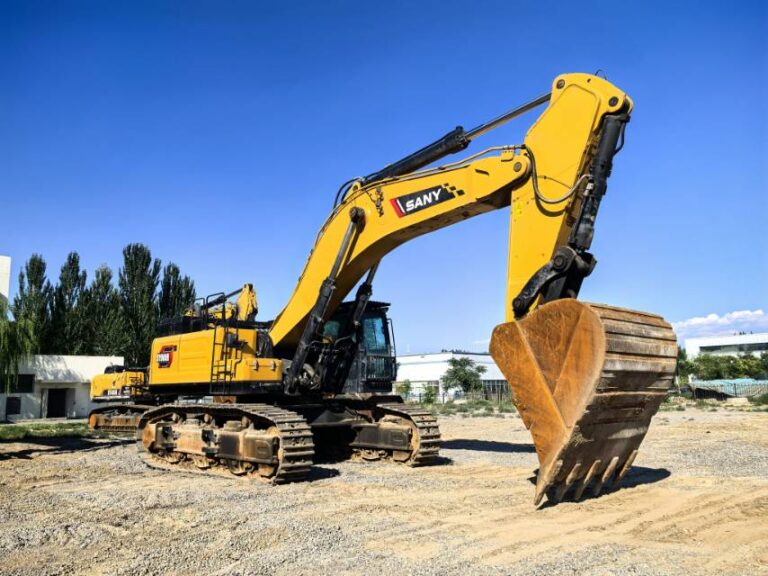
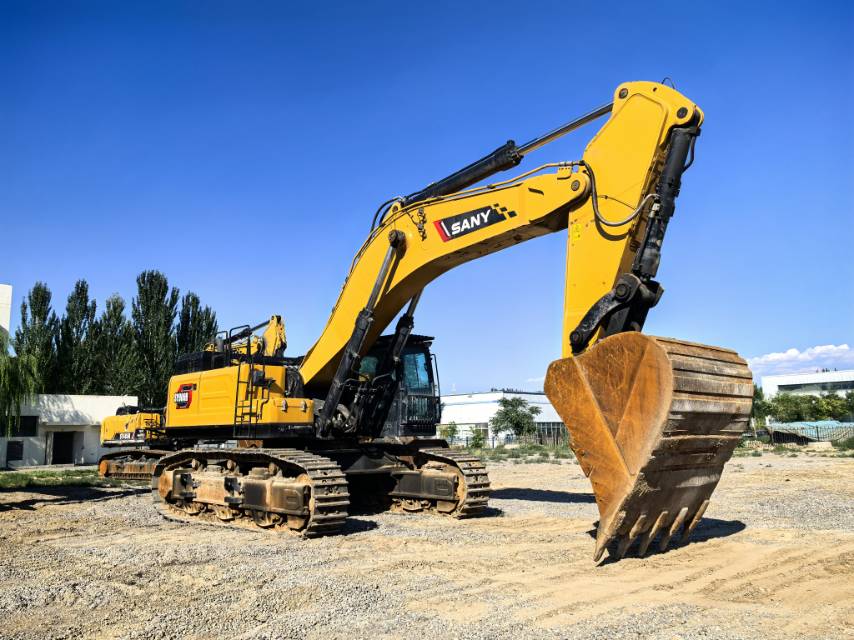
Among the commercially available choices, SANY excavators span a broad set of applications from compact urban tasks to heavy earthmoving and demolition, and include electric models that are increasingly relevant for low‑emission sites—features that support a flexible, future‑facing fleet strategy.
How flexibility translates into on-site advantages
A flexible fleet prevents idle assets. A compact machine that can work in tight residential digs one week and be fitted with specialist attachments for drainage the next will be used far more efficiently than a single‑purpose unit. Similarly, medium and large excavators that are economical to transport between sites reduce logistical friction and keep projects moving.
Flexibility also supports productivity. Machines designed with operator comfort and intuitive controls help operators switch between models with minimal retraining, while standardised attachment interfaces save time on the ground. When combined with sensible service cover, these factors reduce unplanned interruptions and keep crews productive across diverse contracts.
Financial flexibility matters as much as technical adaptability
Flexible finance terms let businesses scale capacity up or down without overcommitting capital. Options such as hire purchase, operating leases, contract hire and tailored repayment plans spread cost and preserve cashflow, so companies can respond to short‑term spikes in demand or long‑term shifts in their work mix. Structuring deals to match expected utilisation—shorter terms for seasonal assets, longer terms for core fleet—helps align cashflow with income.
Suppliers that combine flexible finance with UK‑wide delivery and export services simplify placement and redeployment. That logistical support means you choose machines based on suitability for the job rather than on the geography of supply, which in turn makes it easier to tender for a broader set of contracts without acquiring duplicate assets.
Choosing the right mix: size, specification and attachments
Start with the tasks you most frequently undertake and the ones you expect to win in the next two to three years. Mini excavators excel in landscaping, utilities and internal site works; medium machines are the backbone for general construction and civil engineering; while large models tackle quarrying and extensive earthmoving. Specialist demolition models and electric excavators provide additional options for niche or lower‑emission work.
Attachment compatibility is a powerful multiplier: quick couplers, hydraulic breakers, grading and trenching buckets, tiltrotators and other implements turn a single base machine into several functional tools. Prioritising machines with a broad attachment ecosystem increases the situations in which a single asset remains valuable, and it reduces the need to purchase multiple specialised machines.
Preparing for changing project needs
Flexibility is also about timing. Some companies choose to keep a compact core fleet and supplement it with hire for occasional larger jobs; others invest in a broader in‑house fleet because they regularly undertake high‑tonnage works. Both approaches can be valid. What matters is clarity about typical use patterns, transport and storage capacity, and how quickly machines can be brought into service.
Maintenance planning is a further pillar of flexibility. Regular servicing that follows manufacturer guidance keeps machines available and can make reallocation between projects straightforward. Access to warranty support and technical advice simplifies decisions to redeploy machinery rather than replace it, stretching the useful life of each purchase.
Operator training and knowledge transfer
A flexible fleet only functions when operators are confident across machines and attachments. Investing in focused operator training—brief familiarisation sessions when a new model arrives, plus clear documentation for common attachments—lowers the barrier to utilising machines in different roles. That practical competence turns flexible equipment choices into predictable, everyday productivity.
Similarly, on‑site organisation that standardises attachment storage, transportation arrangements and routine checks makes it faster to switch a machine from one task to another. Small operational standards deliver disproportionately large gains in agility and ensure safety protocols are maintained as machines move between sites.
Aftersales, warranty and regional coverage
Choosing a supplier with reliable aftersales support is central to flexibility. Timely servicing, access to spare parts and experienced technical advice reduce downtime and make it viable to keep machines in active rotation rather than sidelining them for long repairs. Manufacturer warranty support further underpins confidence in buying decisions.
For UK businesses, nationwide availability matters. Suppliers with multiple operational bases and the ability to deliver across the country are better placed to ensure rapid response to service requirements and to reposition equipment between northern and southern contracts. Fitzgerald Plant Services, established in 2007, operates multiple locations across the UK—Cwmbran, Dudley, Corwen and Gateshead—and offers UK‑wide delivery, flexible finance, worldwide export and aftersales support, making it straightforward to align purchases with practical operating needs.
Practical checklist for buyers who value flexibility
When assessing a potential purchase, consider these simple but effective questions: will this machine cover the majority of our tasks? Can it accept attachments that expand its role? Are finance and delivery options aligned with our cashflow and scheduling needs? Is manufacturer or supplier support readily available across the UK? Do our operators require significant retraining, or can they move between models quickly?
Putting those answers together helps form a purchase plan that balances immediate cost against longer‑term utilisation. A machine that costs a little more up front but can be easily reconfigured and reliably supported will often be the more economical choice over its operational life.
In practice, thoughtful flexibility reduces risk and increases the number of contracts a business can take on without costly fleet alterations. Operators benefit from consistent controls and familiar layouts, project managers enjoy fewer logistics headaches, and owners see higher utilisation rates across varied workstreams. For contractors planning ahead, flexibility is an investment in resilience and opportunity.
Get in Touch:
Fitzgerald Plant Services Ltd
Avondale Business Par, Avondale Rd, Cwmbran NP44 1TS
01633 860693
fitzgeraldplant.co.uk