




Heating bills are going up as the nights get cooler, so people all over the UK are looking for practical ways to keep their homes warm without removing original features or doing work that will be in the way. Thermal secondary glazing is one option that gets far less attention than it should. When put on the inside of your current windows, it adds a second layer of glass that makes your home much warmer, blocks drafts, and muffles outside noise. This piece talks about thermal secondary glazing and why it can make a big difference. It also talks about which properties benefit the most and what you should think about before you decide to use it.
The reason windows let so much heat out
Most of the time, windows are the weakest part of a building’s thermal envelope. Even if lofts are insulated, floors are sealed, and walls are insulated, a single pane of glass in a wood or metal frame will still let heat leave very quickly. Glass doesn’t keep heat in, and frames that are getting old tend to shrink, warp, and open up small holes over time. Because of these holes, cold air can come in and warm air can escape. This is what makes the drafts you feel on your feet in the living room and the chill around the bedroom window at night.
There are three ways that glass lets heat leave a room. Heat moves directly through the glass and frame because of conduction. It moves warm air toward a cold surface, where it cools and sinks. This creates a current that pulls more heat out of the room. Warm air can get through gaps around sashes, casements, and sills when there is air leakage. All three can be dealt with at the same time by a well-designed secondary system, which is why it can be so useful.
How does thermal secondary glazing work?
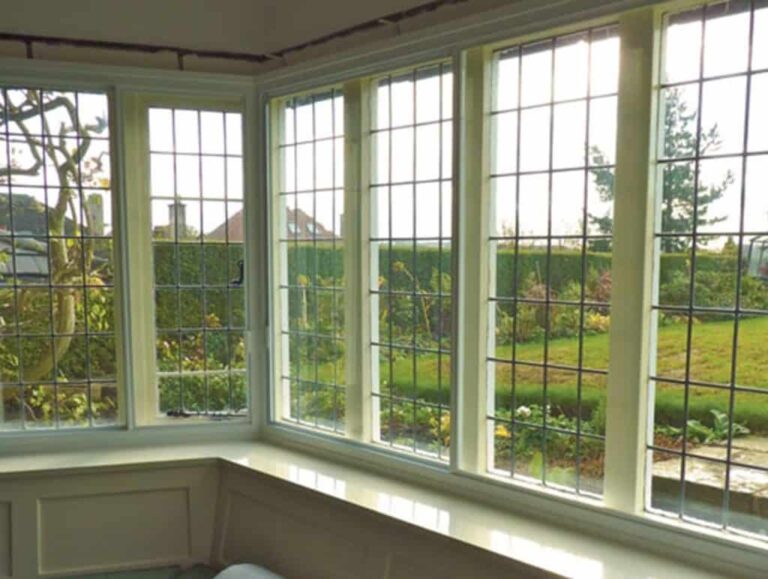
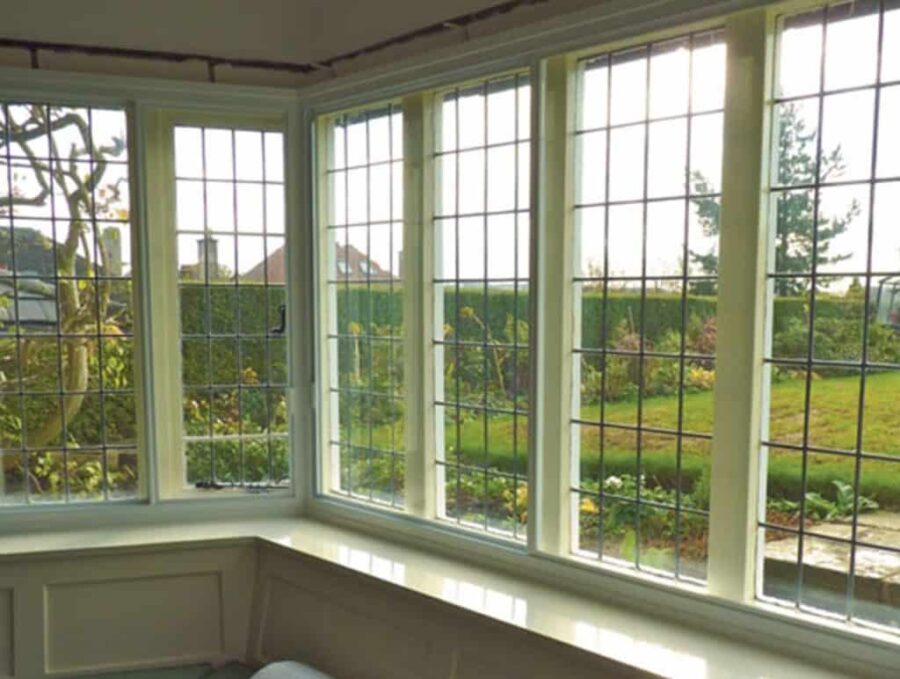
Thermal secondary glazing is an extra window unit that is added to the inside of an existing window opening. It doesn’t replace your current apps; instead, it works with them. This makes a pocket of air between the two layers that is either completely sealed or almost completely sealed. This air acts as an insulating barrier. The barrier works better when the gap is bigger and the seal is better.
The word “thermal” is important here. A simple pane in a slim frame or an unsealed slide panel is a form of basic secondary glazing that does some good, but a thermal specification does more. Most of the time, it uses frames with thermal breaks, which are insulating parts that keep heat from moving through the metal. Low-emissivity glass is also used. This type of glass has a very thin layer that keeps heat inside the room instead of letting it escape. When good perimeter seals and the right cavity width are used, thermal secondary glazing can perform very well, often as well as modern double glazing while leaving the original windows alone.
More than just keeping you warm,
The main benefit is that it keeps your home warmer. Rooms get to a comfortable temperature faster and stay that way longer when less heat is lost. A lot of people notice that the cold spots near windows go away, which makes the whole room more useful. Before, it was too cold to sit next to the bay window in January. Now, it’s a popular place to read, and the spare room that was closed up for the winter is a useful office.
Using less energy makes sense. Your bills go down and your carbon footprint gets smaller when your heating doesn’t have to work as hard. The exact amount of money you save will rely on the size of your home, the number of windows, the type of glazing you already have, and how you heat it. However, thermal secondary glazing is generally thought to be one of the best ways to save money on home improvements for people who only have single glazing. Using less energy can pay for itself over several winters, making the initial investment more than worthwhile.
In other ways too, comfort gets better. Since the inner layer stays warmer than a single pane, condensation is less likely to happen when warm, moist air inside meets a cold pane. Mould is less likely to grow on frames and steps when there is less condensation. The extra layer of glass and the air gap also make a big difference in lowering noise. There can be a big difference in sound levels if you live near a busy road, a railroad, or a busy town centre.
Safety is a nice bonus. Adding a second layer of glass, especially one with frames that can be locked, makes it harder for people to break in. Laminated glass can be added to some systems to make them even more resistant. This will give you peace of mind and make you more comfortable.
Perfect for older homes that need to be protected
Secondary glass that keeps heat in is especially useful for old homes. Beautiful timber sash windows with character that modern replacements rarely match can be found in Victorian terraces, Georgian townhomes, Edwardian villas, and traditional cottages. Putting them in new ones can ruin the look of a wall and undo years of work.
It’s possible that replacement windows won’t be allowed at all or will be limited in listed buildings and homes in protected areas. Thermal secondary glazing is frequently a more palatable option for improving energy performance because it is installed internally and does not change how the building looks from the outside. Before starting any work, it’s always a good idea to check with your local planning authority. However, many property owners find that this method lets them make the home more comfortable while still respecting its history.
The perks aren’t just for old homes. In places where full replacement would be impossible, expensive, or disruptive, like apartments, offices, schools, churches, and community halls, thermal secondary glazing is used to keep out cold air, noise, and drafts. People who rent may also like the extra comfort, and landlords may like how it can make a rental property more energy efficient.
Picking Out the Best System
It’s important to think carefully about your choices because not all secondary glass is the same. The first choice is what kind of opening to make. People like sliding units because they are easy to use and look nice, especially in large spaces. Window units that hinge open like a door or casement tend to have the best seals and are easy to clean. The most airtight windows are those with fixed panels. Lift-out units, on the other hand, can be taken off for seasonal changes or easy entry. What you pick will depend on how you use each window and how well you need to keep air out.
Now, look at the glass. Low-emissivity coatings are what make a thermal specification unique, but you might also want to think about laminated glass for its soundproofing or safety benefits. There is also a change in the width of the space between the two layers. Hearing-related performance is usually better with a gap of 100 millimetres or more, but heat performance can still be good with a smaller gap. A professional survey can help you find the right mix between these things and the depth of your window reveals.
You should also think about the frame finish. Most of the time, frames can be colour-matched to fit your existing window furniture or decor. This makes the system blend in instead of stand out. Clear views and the room’s character are kept by slim sightlines. As secondary units are custom made, they can fit into odd shapes like arched heads, bays, and curved windows. This means that even strange openings can be made.
How to Install It and What to Expect
One great thing about thermal secondary glazing is that it doesn’t cause a lot of trouble. Installation is done from inside the room, so there is no need for scaffolding, removing plaster, or painting the outside of the walls. After a precise survey, the units are made to fit each opening. It usually only takes one or two days to fit a typical home. Most of the time, there isn’t much mess, and the original windows stay in place.
Because lead times depend on how complicated the order is, it’s best to plan ahead and start the process well before it gets cold. If you plan your survey for spring or summer, you can look at your options and enjoy the benefits of the first frost.
How to Get the Most Out of Your Money
A few easy habits will help you get the most out of it. It’s a good idea to fix any obvious problems with your current windows before you install the new ones. This is because a well-kept outer window works better with a well-kept inner window. After putting in the new units, make sure the seals stay clean and free of debris. Also, check the catches and hinges every so often to make sure they work properly.
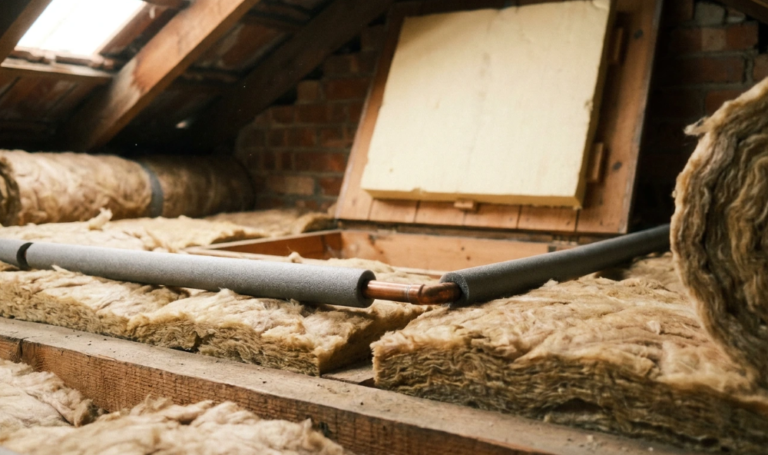
For even better results, you can use other steps along with thermal secondary glazing. At night, heavy-lined curtains add another wall. Door draft excluders stop air from leaking. Along with the work done at the windows, insulation in the loft and walls help the whole building keep its heat. When you do all of these things together, your home will always feel nice and cosy without having to turn up the thermostat all the time.
It also helps to have good air flow. A home with better insulation will keep more wetness inside, so use extractor fans in the kitchen and bathroom and open windows or trickle vents for short periods of time when you need to. Better insulation and good ventilation keep the air fresh and the building healthy.
Your home will be warmer in the future
To keep a house warm, you don’t have to spend a lot of money rebuilding it or change the way your windows look. Thermal secondary glazing is a stylish, effective, and not too noticeable way to keep heat in, stop drafts, lower noise, and boost security, all while keeping the original features of the building. It’s one of the smartest things that can be done to improve older buildings or homes with single panes of glass.
As people worry about rising energy costs and demand more comfort, more are learning about what thermal secondary glazing can do. It is worth looking into whether you are fixing up an old townhome, managing a rental portfolio, or just sick of shivering next to a draughty window. First, look at the windows you already have. Then, think about how you use each room. Finally, get a professional survey to help you choose the right specifications for your home. From now on, you can look forward to warmer rooms, calmer nights, and lower bills every winter with the right system in place.